

It was a rare evening when my husband and I sat at the kitchen table with the Social Security statement we’d both been ignoring for months. He read the projection line out loud, then looked at me. “If nothing changes, we’re the ones funding the gap.” I nodded. I’d been tracking our 401(k) contributions for years, but I’d never connected my paycheck to that number.

Here’s the thing most of us don’t realize: the federal deficit, the growing wealth gap, and Social Security’s shortfall aren’t three separate problems. They’re one problem wearing three hats. And the fix, according to the tax experts I keep reading about, starts with one blunt sentence: the ultra-wealthy need to be brought back into the tax system.
The three problems that are really one
I like to keep a running list of the numbers that matter to our household, the way I used to track grocery spend when I was trying to break the paycheck-to-paycheck habit. This time the numbers are national, but the feeling is the same: small, quiet shifts that compound.
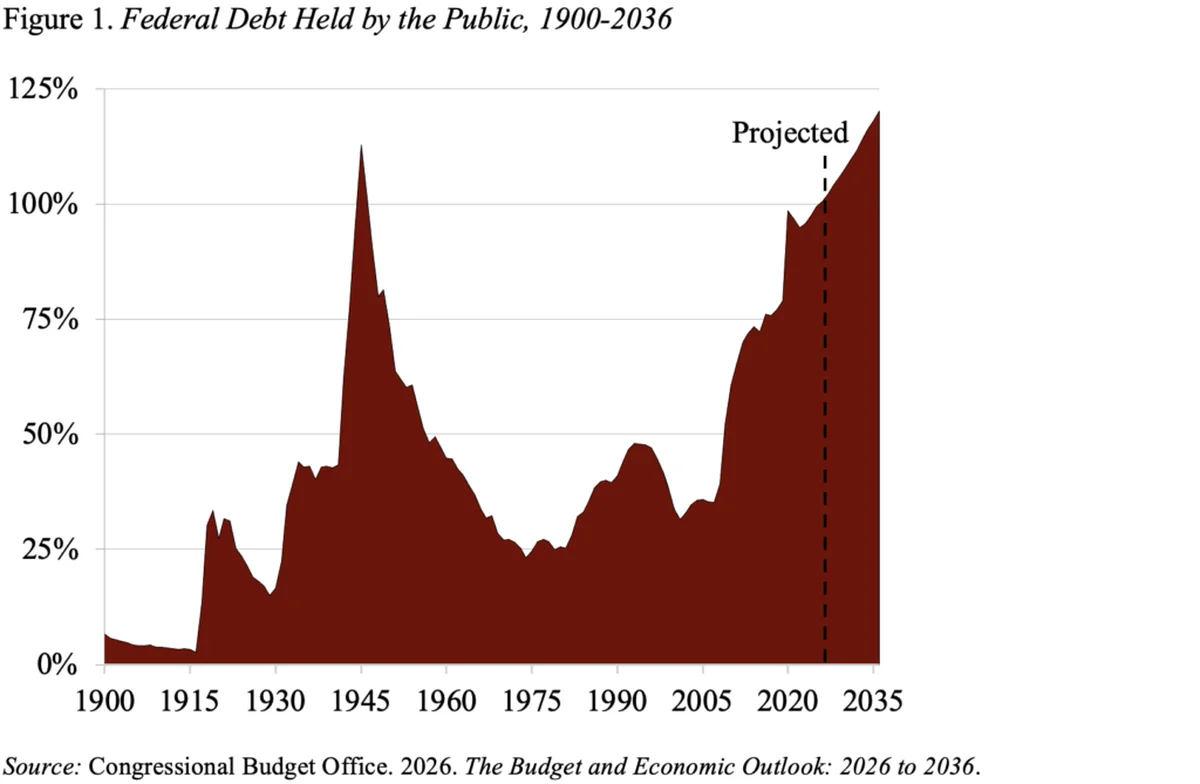
The federal government runs deficits even when the economy is growing. Part of that is an aging population and rising healthcare costs. But a big part is that for decades, policymakers kept cutting rates on estates, capital gains, and corporations while sophisticated tax planning let many of the wealthiest Americans defer or avoid tax altogether. Revenue fell behind spending, and the debt climbed steadily.
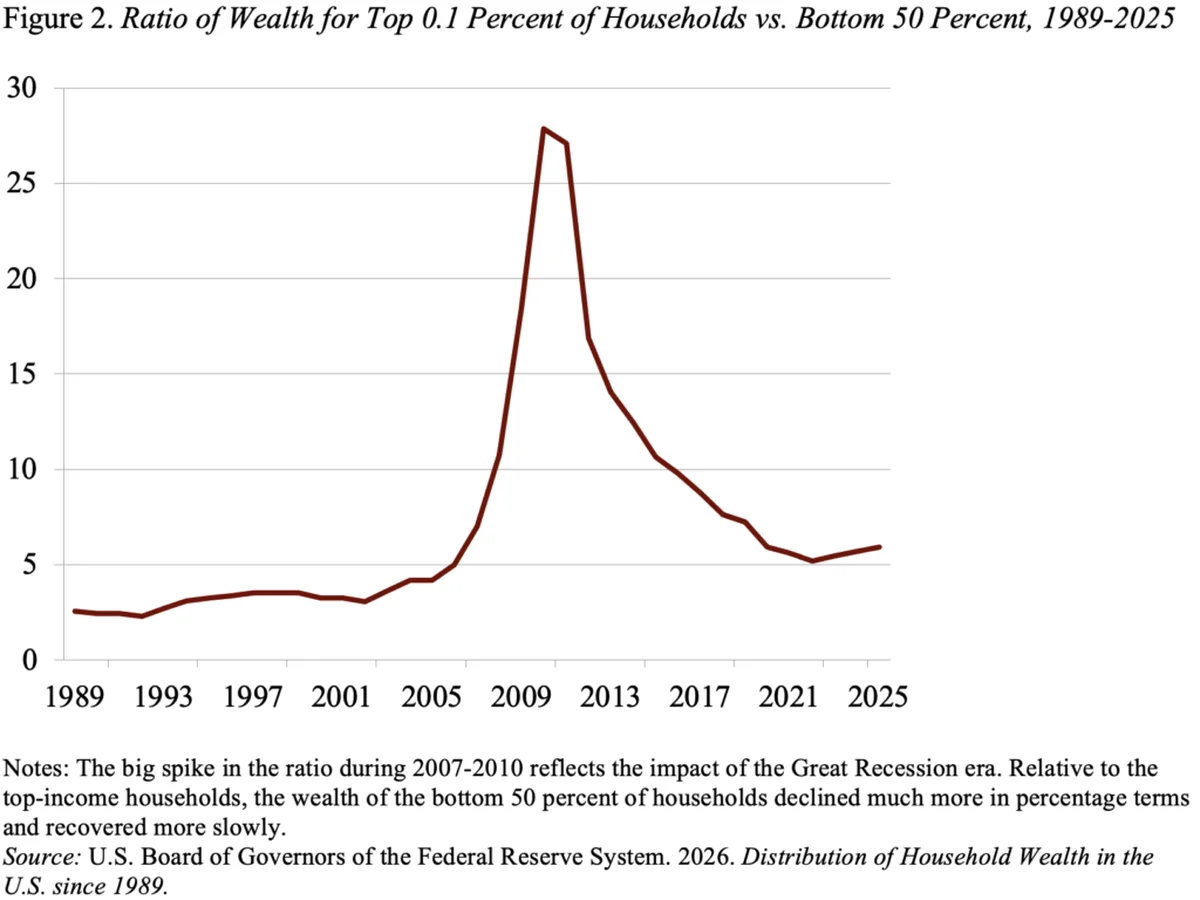
Meanwhile, the same tax system is concentrating wealth faster than almost any generation in memory. The top 0.1% of households now hold 6 times the wealth of the entire bottom 50%. In 1989, that ratio was about 2.5 times. Work income gets taxed as it’s earned. Wealth can grow for decades without a single tax bill — appreciated assets aren’t taxed until they’re sold, and under current law many capital gains vanish when they pass to heirs.
The most dramatic example of that wealth buying influence? Elon Musk’s contributions of almost $300 million to elect Donald Trump. My husband underlined that sentence in the article I sent him. We didn’t even argue about it, which for us is basically a victory.
Why your Social Security check is tied to their tax returns
Here’s the part that finally made the statement on our kitchen table click. Social Security doesn’t work like a 401(k). It’s pay-as-you-go: today’s workers’ contributions pay today’s retirees. There’s no trust fund quietly earning interest for you.
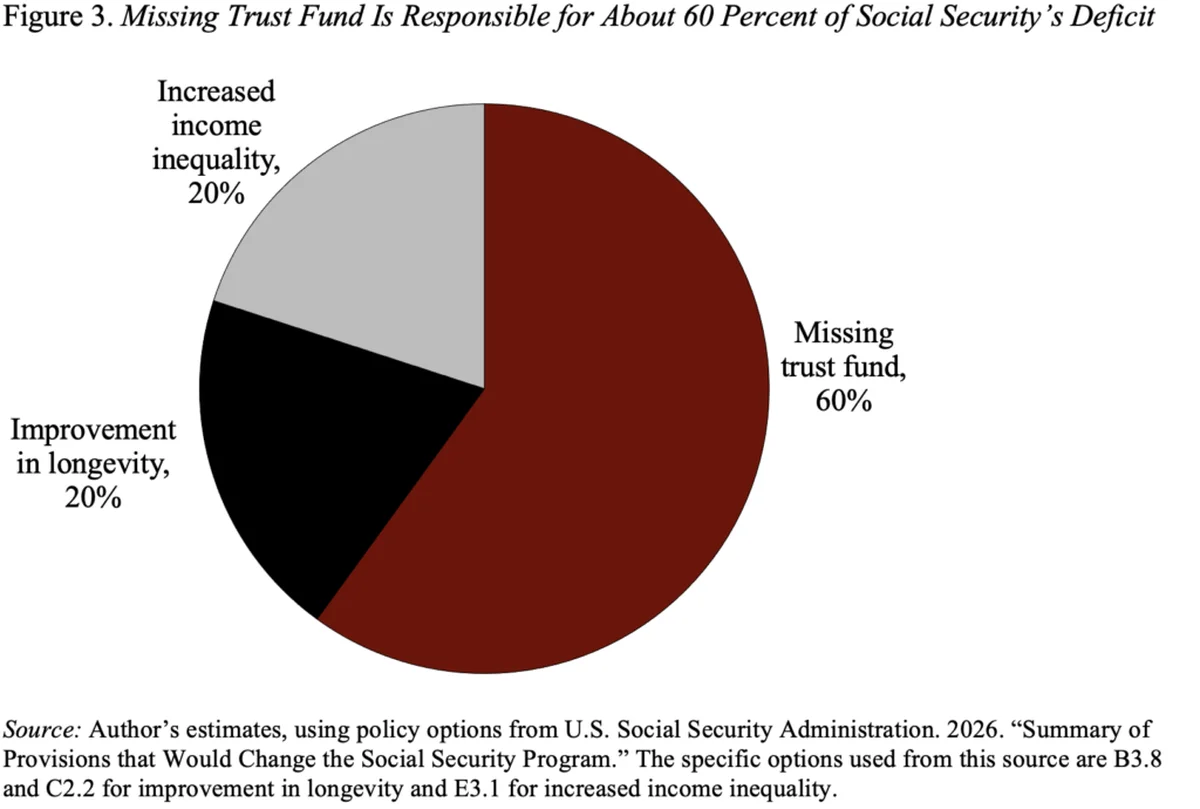
That setup traces back to a historical decision to pay benefits far in excess of contributions to people retiring in the 1940s and 1950s. In effect, earlier generations got a transfer, and today’s workers are compensating for not being able to invest their contributions and earn interest. Roughly 60% of the total Social Security deficit comes from that pay-as-you-go arrangement — and I’d argue it shouldn’t rest on the shoulders of workers like me.
It’s the same math I run on our own accounts. When I compare a Roth IRA to a traditional 401(k), I look at what’s taxed and when. The fairness question for Social Security is the same: who pays, and when?
Four changes tax experts keep proposing
Before I get ahead of myself: this is general financial planning, not tax advice. But the four changes I keep seeing from tax experts are concrete, and they map cleanly onto things I already understand from managing our retirement accounts.
- Raise the corporate tax rate. It fell from 35% in the 1990s to 21%. Critics point out it didn’t produce the capital influx its fans advertised — it mostly delivered tax relief to the wealthy, who own most of the stock anyway.
- Tax capital gains at ordinary income rates. Some of those gains are just inflation, but the owner also benefits from deferring tax until the asset is sold. Here’s the question that won’t leave my head: wage earners pay ordinary rates when they withdraw their 401(k) accumulations. Why shouldn’t the wealthy?
- Tax gains at death. Right now, the wealthy can avoid all tax on appreciated assets by simply never selling them in their lifetimes, and heirs get a stepped-up basis. Canada taxes gains at death, with the estate paying. That approach makes a lot of sense to me.
- Replace the estate tax with an inheritance tax. The estate tax has been gutted and raises very little. Rather than resurrecting the “death tax” label, tax inheritances above a minimum amount under the federal income tax.
What I’m taking from it
Bringing the wealthy back into the tax system is the first step. The second — and equally important — one is earmarking a portion of those revenues to cover the part of Social Security’s deficit that comes from giving away the trust fund. Not a new idea. An idea whose time has come, I’d say.
I don’t need to love billionaires to hope the math works out for my retirement. If they started paying their share and helping stabilize Social Security, we might actually start to like them a little. My Wealth Planner and I are going to put Social Security projections back on our quarterly kitchen-table review — starting this month. That’s the one thing you can do today: pull up your statement, read the projection line out loud, and decide whether the math still works for you.
Not tax advice, just a kitchen-table conversation. Yours might start at a different table, with different numbers — but the question is the same.