
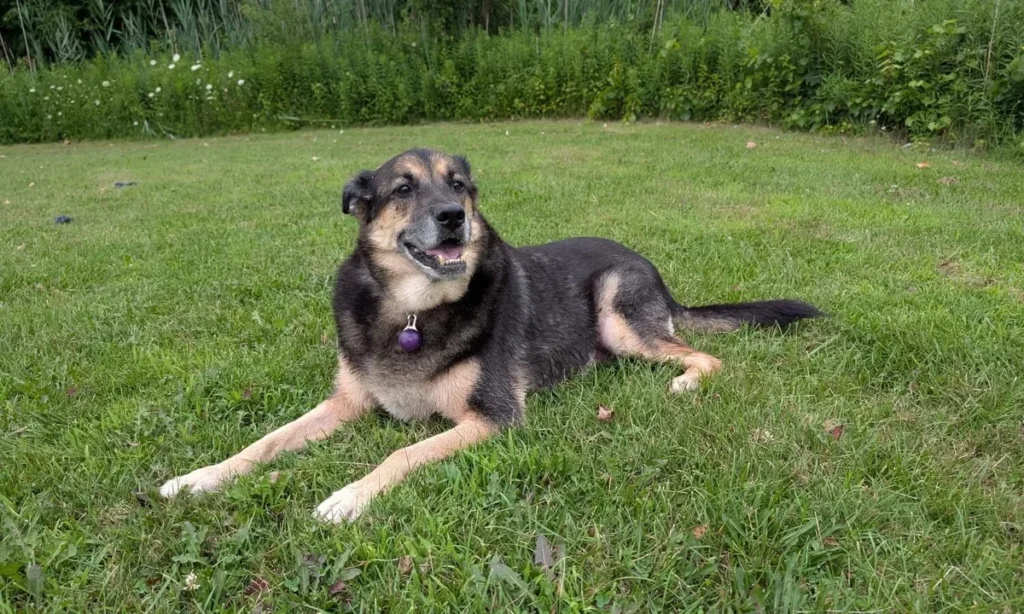
The vet’s office called on a Tuesday morning with a number that didn’t fit on my mental budget line: $10,000 for surgery. On top of that, they needed a deposit of over $8,000 that morning, before they’d even put the dog under.
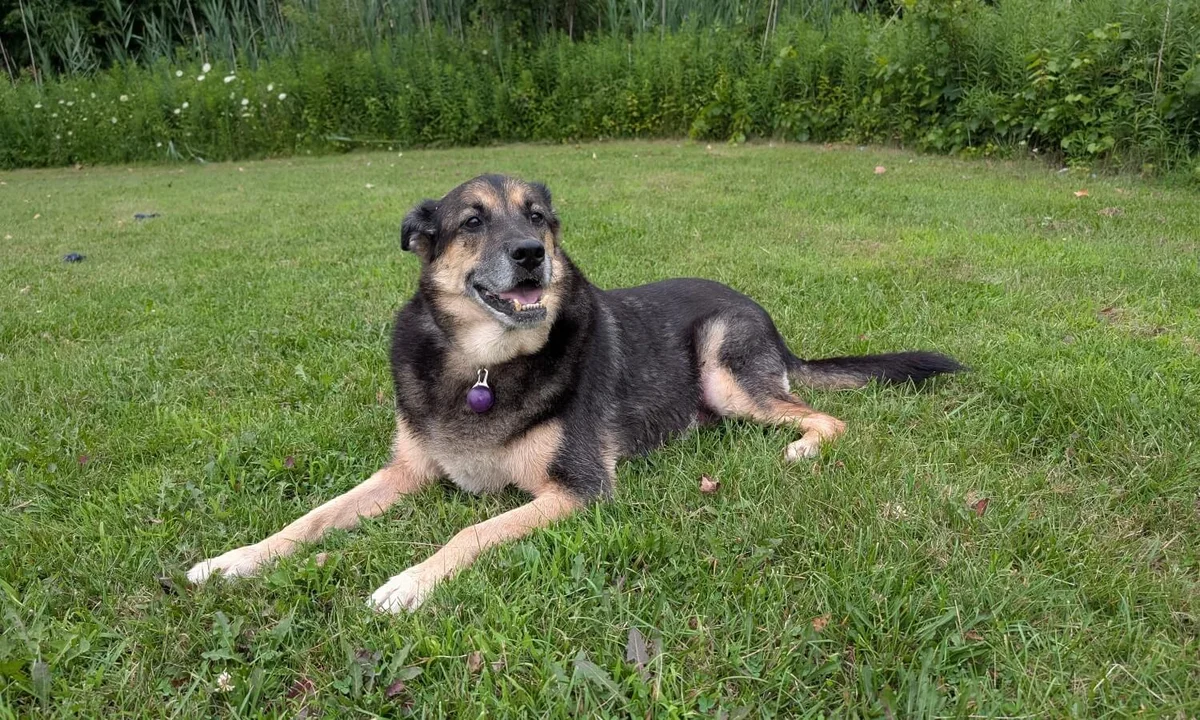
If you didn’t have eight grand sitting in the bank, or access to a line of credit, you literally couldn’t do it. That’s what Emma Gilmour told me about her 80-pound shepherd mix, Lucy. I was sitting at my kitchen table with my June statement open when the story hit, because it felt like it could have been any of us.
Lucy was turning 10 when her blood work started showing abnormal results. Her veterinarian mentioned Cushing’s disease as a possibility. Emma paid close to $5,000 for further testing — an ultrasound, a CT scan, and specialist consultations. What they found: a mass on Lucy’s liver close to a quarter of the organ’s size. It sat near arteries that, if they burst, could kill her. Surgery was the recommendation.
Lucy responded well to the surgery in November 2025. Emma paid for it with a mix of RRSP withdrawals, a line of credit, and balance transfer options to keep the interest down — and she hopes to have it paid off by the end of this year.
The deposit problem nobody warns you about
Here’s the detail that should make every pet owner do a double-take: the surgery wasn’t the only number. It was the deposit.
“They won’t take a dog into surgery unless you pay them in advance,” Emma said. “So if you don’t have access to a line of credit, or if you don’t have eight grand sitting in your bank account, you literally can’t do it.”
I’ve spent eight years as a financial analyst watching families make decisions with one eye on the spreadsheet and the other on their kid’s soccer schedule. Pets are the line item nobody budgets for — because a healthy dog is a fixed cost of a few dollars a month in food, and a sick one is a five-figure variable cost that arrives on a Tuesday.
And it’s not just big surgeries. Lauralee Dorst, a registered veterinary technician and director of community animal welfare at the Toronto Humane Society, pointed out that chronic conditions — heart disease, diabetes, arthritis, dental disease, mobility issues — can drag vet costs out for months or years. For many families, she said, even a few hundred dollars is difficult, and a bill of several thousand forces painful decisions very quickly.
When “just do it” runs out of money
Emma has no regrets about the costs. “I’m the kind of person where I don’t regret the things that I do; I would regret the things that I didn’t do,” she told me. But her friends didn’t make the same call, and none of them were wrong.
One of her friends decided against chemotherapy for an old rescue dog — not just because of the cost, but because the dog was deeply fearful of car rides and the vet office, and treatment would be long and traumatizing. Another stopped removing the small tumours that kept popping up all over their dog’s body. The dog lived to be 16 anyway.
That’s the part of pet care that no budget spreadsheet captures. Maggie Brown-Bury, a veterinarian in St. John’s, Newfoundland, and president of the Canadian Veterinary Medical Association, put it plainly: “Just because you can, does it mean you should?”
“The dog doesn’t understand why he’s getting poked so many times,” she said. “And often, people grapple with the decision: ‘Am I being selfish? Am I doing this because I don’t want to let go?'”
Dorst offered something that should lower the temperature in every one of these conversations: one of the greatest misconceptions in veterinary medicine is that financial limitations reflect how much you care about your pet. End-of-life care, she said, should be guided by comfort, dignity, quality of life, and compassion — not shame. If you can’t be objective, ask a friend to help you decide.
How to plan before the vet calls
Here’s the part I want you to actually do something with. Three moves, in order of importance:
1. Get the policy while the pet is young. Insurance is not a complete solution for end-of-life planning — policies may include deductibles, reimbursement limits, exclusions, and waiting periods, and may not cover every aspect of palliative care, euthanasia, cremation, or memorial aftercare. But it is the cheapest version of the safety net you’ll ever get. Read your policy carefully so you understand exactly what is and isn’t covered.
2. Build the emergency fund in parallel. Dorst said that having both insurance and an emergency savings fund, if you can, is the safest option. That’s my financial airbag rule applied to the family member with fur: the insurance handles the expected, the fund handles the unexpected. At least one option in Canada offers direct billing, so you don’t pay upfront — worth asking your vet about.
3. Prevent before you cure. Brown-Bury’s advice: “An ounce of prevention is worth a pound of cure.” Annual checkups when your pet is young, and a relationship with a vet who knows what’s normal for your specific animal, will save real money down the road — and give you a baseline to notice when something goes wrong.
The decision is also a budget decision
Lucy is doing great for her age. Her life expectancy after this type of mass is roughly two years, according to the specialists. Emma said her decision to pursue surgery might have been different if Lucy had been slowing down for years.
“Lucy otherwise seems very healthy and was still very active, and so I just felt like she had a lot of life left in her,” she said. “Even if you have access to the money, you have to think about the dog and you have to think about what makes the most sense.”
That last line is the whole article in one sentence. Planning for an aging pet isn’t just about having the cash. It’s about having a decision framework in place while your pet is still healthy — so that when the number arrives, you’re making a choice about your dog, not a scramble about your money.
Do one thing today: open a pet line item in your budget. Even a small monthly amount is a plan. Even a plan is a cushion between your dog and a deposit on a Tuesday morning.