
It was a Sunday night, the usual kitchen table audit. My husband slid the grocery receipt across the table without a word. The run that used to cost us $100 was sitting at $140. I stared at it the way I stare at a bad quarter’s numbers, trying to find the line item that broke it. There wasn’t one. It was everything, quietly up a little, all at once.
If your cart has crept up like that, you’re not miscounting. As of June 2026, one Congressional estimate puts families spending over $3,500 more on goods and services than in 2025, and groceries are in there. So we did what we always do: we looked at the receipts and found the pattern.
Here’s the short version. The problem isn’t one expensive item. It’s a bunch of small, tariff-driven markups adding up, the same way summer’s ice cream runs and road-trip gas bills add up. The fix is a shopping system, not a diet of deprivation. Three swaps, and our food budget stopped spinning.
What the Receipts Were Actually Telling Us
Before any tips, the data. I re-costed three recipes we actually cook, using current July 2026 prices against what they cost back in 2024. (These are real numbers from my own kitchen, not a forecast. This is a shopping guide, not professional financial advice.)
A shrimp and white bean stew: $15.69, up 39.84% from $4.47. Tuscan white bean stuffed tomatoes: $13.78, up 46.28%. Pasta e fagioli: $8.56, up 27.57%. That’s a 27% to 46% jump on the exact same meals. When I first saw the 46%, I honestly thought I’d fat-fingered a decimal.
The common thread was never the food itself. It was the packaging and the origin. Canned goods got hit by tariffs on the metal cans. Imported produce got hit by duties. Beef got hit by a cattle shortage plus import taxes. Once I could name the culprits, the fixes got obvious.
Swap One: Ditch the Can, Keep the Meal
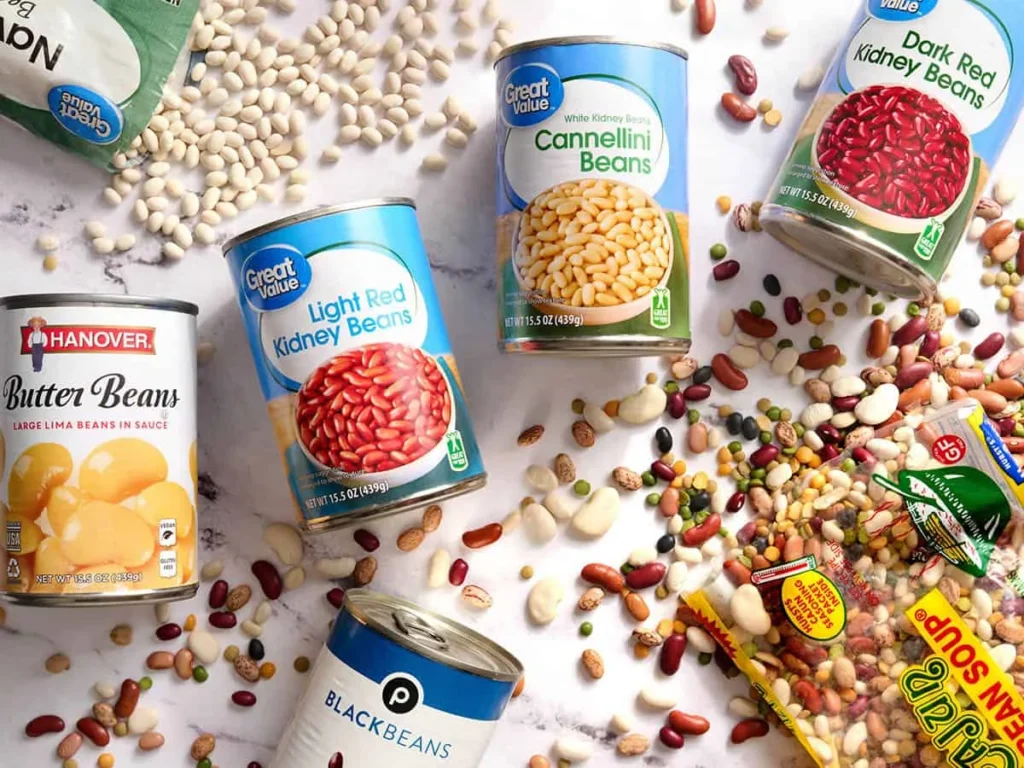
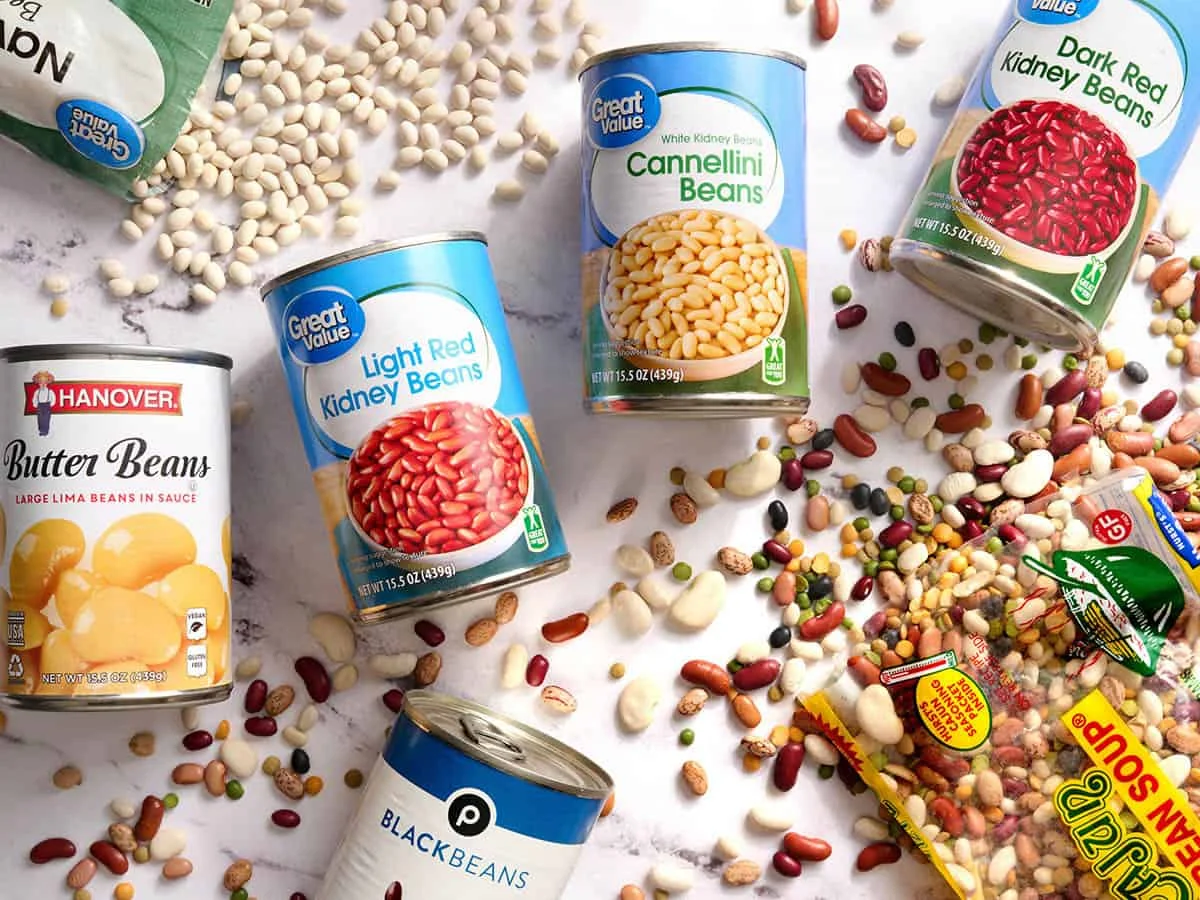
Here’s the part that surprised me most. The U.S. imports roughly 80% of the tin-coated steel used for food cans. So when you buy a can of beans, a chunk of what you’re paying for is the can, not the beans. Two 15 oz cans of butter beans in that stew jumped by $1.62. That was over 36% of the whole price increase, from the metal.
The swap: buy the beans dry, in a bag. One 1 lb bag costs about what a single can does, but once cooked it yields the equivalent of three to four cans. No metal, no metal tariff. I batch-cook a whole bag on the weekend in the slow cooker and freeze it in 1.5-cup portions, the size of a standard can. When we want a quick dinner, we grab a pouch out of the freezer. Same convenience as a can, without paying the packaging tax.
This applies beyond beans, too. Frozen bags and boxed cartons generally dodge the metal tariffs entirely. I stopped treating the canned aisle as the default and started treating the dry, frozen, and boxed sections as the smart money.
Swap Two: Go Domestic and Go Store Brand
Imported specialty foods are absorbing some of the heaviest tariffs right now. That artisanal imported pasta, the European cheese, the wine, the chocolate. They all carry trade taxes that get marked up at every step between the port and the shelf.
The fix is boring, which is exactly why it works: buy American-made, and lean on store brands. A domestic store-brand pasta is made from domestically grown wheat, so that box never crosses a border. It incurs $0 in import tariffs. Same goes for a lot of the store-brand grains and dairy.
We aren’t giving up quality. We’re just letting the fancy imported stuff be a treat instead of a staple. One imported jar of something a month, fine. Every week, not so much. When the item never leaves the country, you never pay the crossing fee.
Swap Three: Pivot the Protein and the Produce
Beef is at record highs. That’s a double hit: domestic cattle herds at multi-decade lows, plus high import tariffs on foreign meat. The USDA is forecasting full-year beef price increases in the 5.5% to 7.5% range, and retail beef was running 12% to 15% higher year over year earlier in the spring. I’m not saying give up the steak. I’m saying it’s a special-occasion protein now, not a Tuesday dinner default.
The proteins that stayed calm: eggs, chicken, and beans. Egg prices are finally settling down after their spike, with a forecasted annual drop of 27% to 30.7% as flock numbers recover from avian flu. Domestic chicken remains one of the most price-stable meats on the shelf. And dry beans stretch chili, stews, and taco nights to a fraction of the cost of ground beef.
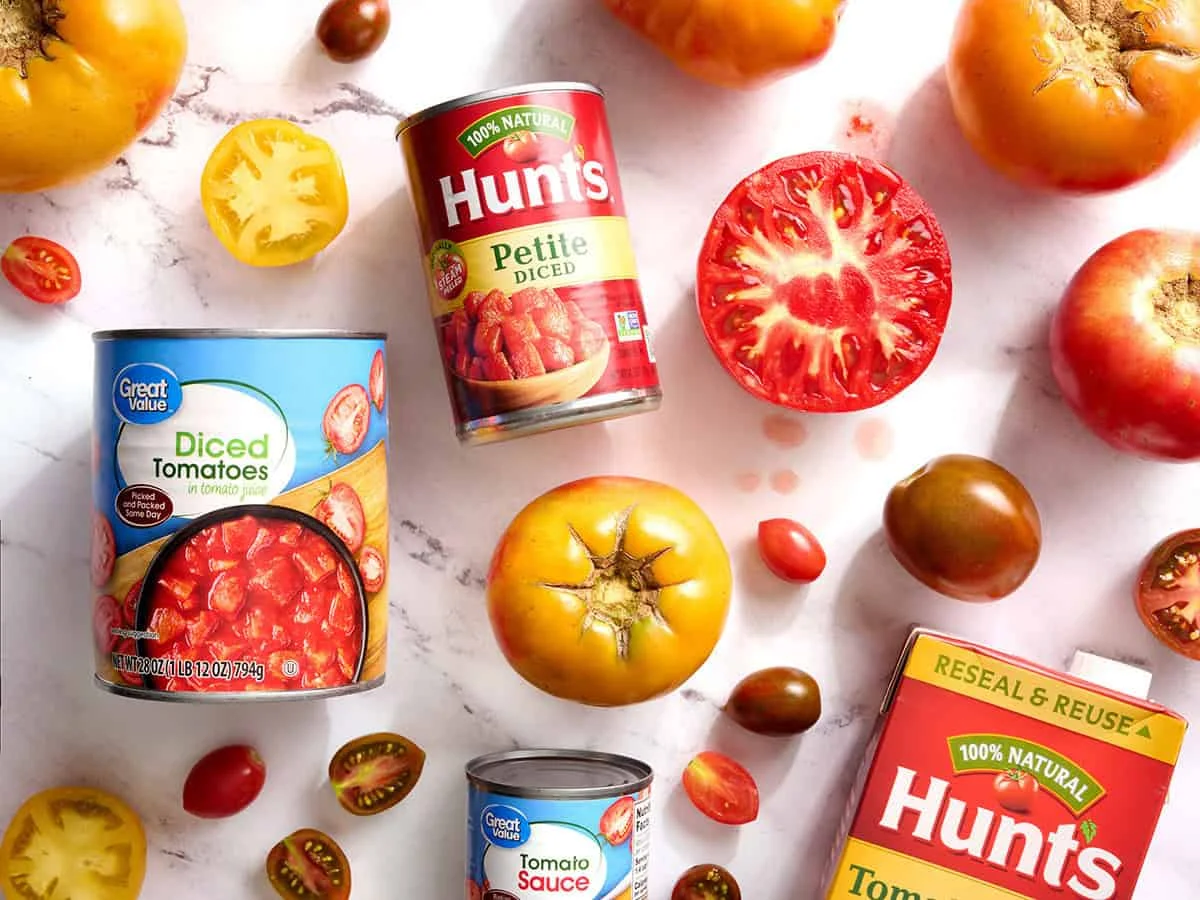
Produce is where the tariffs bite hardest, and where the swap pays off most. Mexico supplies roughly 70% of the fresh tomatoes we eat. When the U.S. withdrew from the tomato suspension agreement, a 17% import tariff kicked in. Fresh tomatoes are up 19.5% year over year, and lettuce is up 32.1%. In the stuffed-tomato recipe, four slicer tomatoes cost almost $8.00.
Here’s the move that saved us the most money. Zucchini. It’s harvested locally across the country, in abundance through summer, and it needs almost no refrigerated shipping, so it stayed cheap while tomatoes climbed. We slice two large zucchinis in half lengthwise, scoop out the centers, and stuff them with the same white bean mixture. Same flavor profile, same texture, and we cut over $3.50 off the meal. My husband has not noticed the difference, which is the highest compliment he gives a recipe.
The Numbers Behind the Swaps
Let me show you exactly where the money went, because the numbers are the part that convinced me.
The Shrimp and White Bean Stew
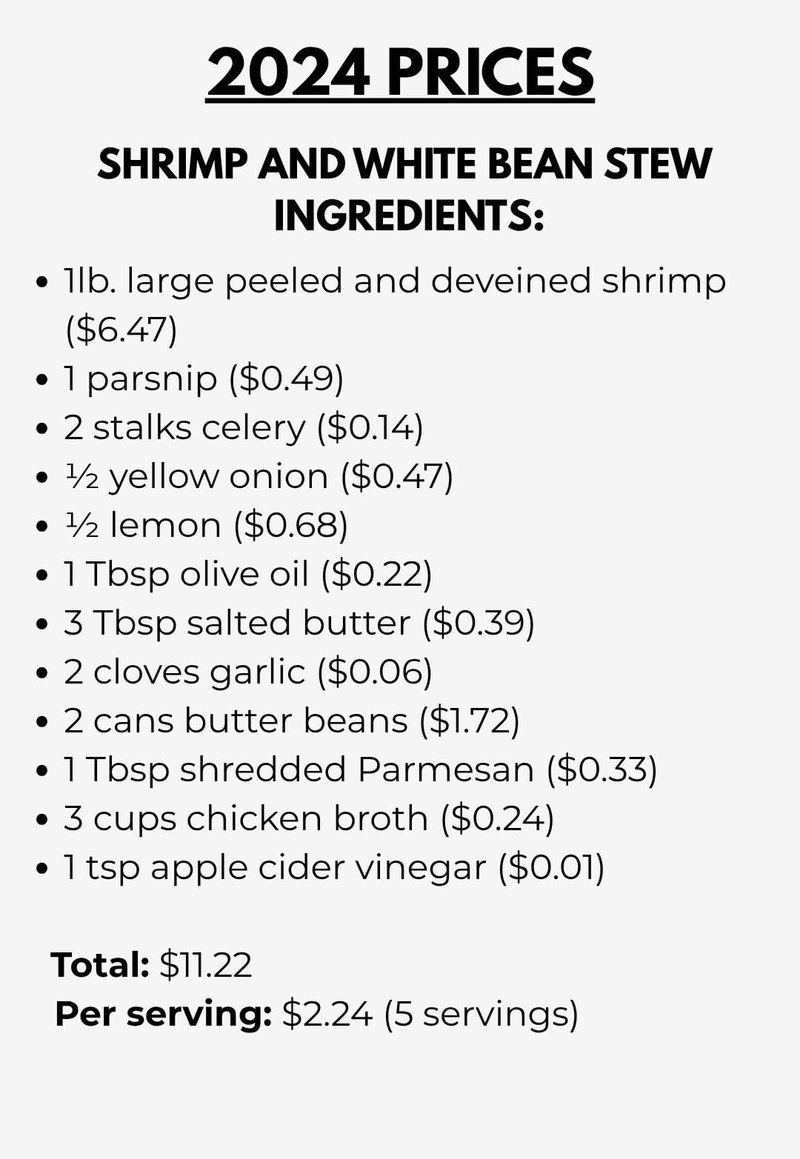
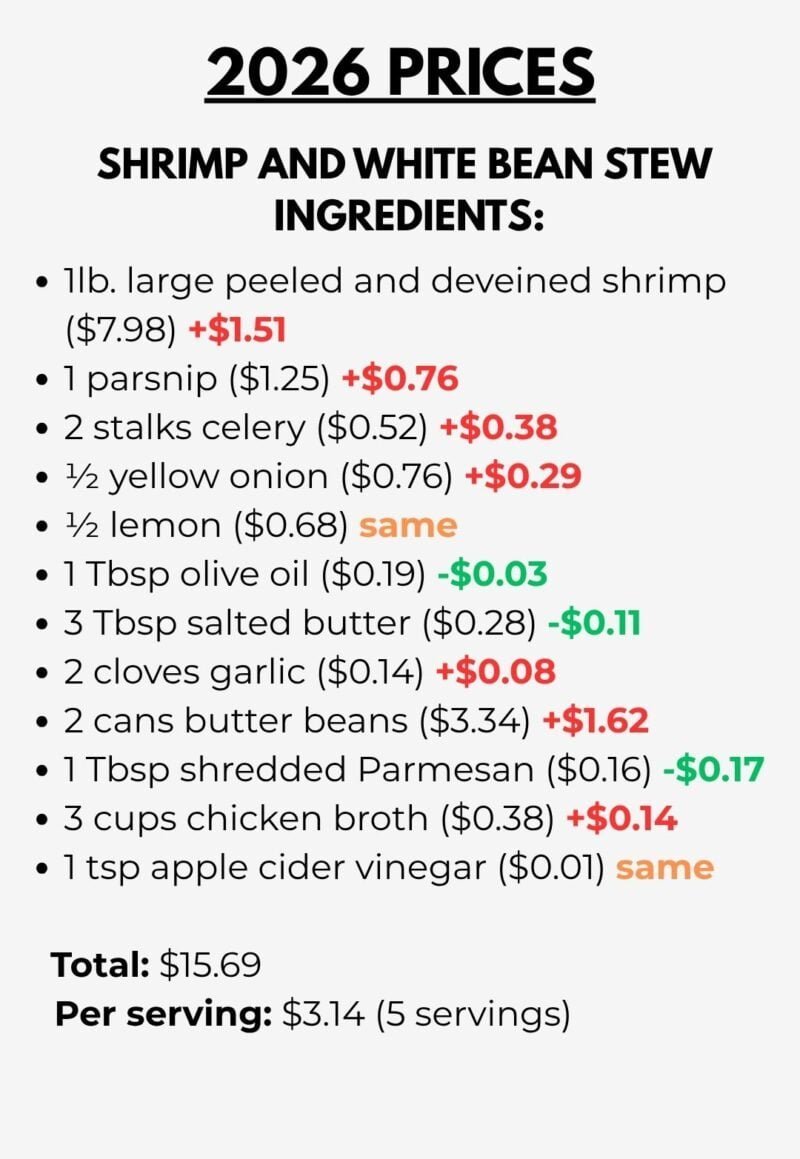
2026 total: $15.69, a $4.47 increase, or 39.84% higher than in 2024. Two things drove it. The two 15 oz cans of butter beans jumped $1.62, over 36% of the increase, because of the tinplate steel tariffs. And the shrimp: about 90% of the shrimp eaten in the U.S. is imported, and that 1 lb went up by $1.51, a 23% jump. Ocean shipping, port tariffs, refrigerated transport, all stacked on one ingredient.
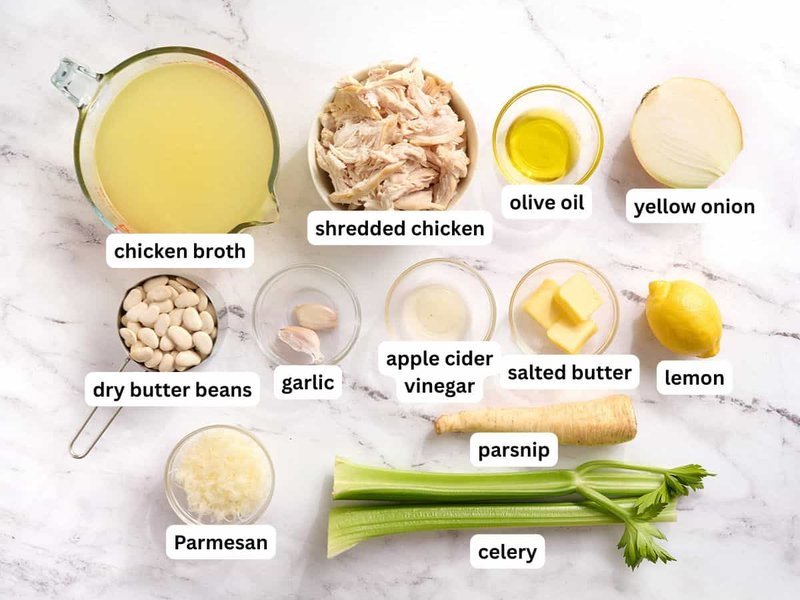
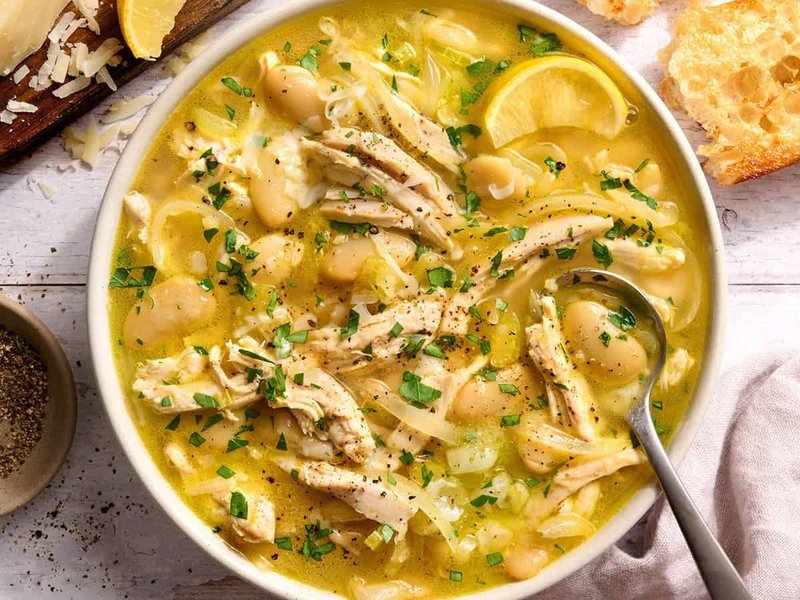
The tariff-proof version: swap the shrimp for U.S. chicken breast, and the cans for bagged dry butter beans. Same stew, same flavor, a lot less metal and import exposure.
The Stuffed Tomato, Re-imagined
2026 total: $13.78, a $4.36 increase, or 46.28%. The tomatoes did the damage, at $8.00 for four. The swap to zucchini boats cut over $3.50 straight off the top. That’s the single biggest per-recipe win in this whole guide, and it’s just one vegetable change.
The Pasta e Fagioli
2026 total: $8.56, a $1.85 increase, or 27.57%. This one’s the control group. The canned tomatoes and canned beans added only $0.31 of direct tariff-and-packaging inflation. But the pasta stayed completely flat, because we used a standard domestic ditalini instead of an imported Italian brand. That flat line is the whole point. Domestic staple, no border crossed, no tariff. It’s your best defense.
What’s Coming Next, and How to Read It
The trade situation is still moving. The Supreme Court struck down an earlier round of tariffs in February, and a fresh round targeting 60 trading partners came out in July, with baseline tariffs running from 10% to 12.5%, up to 50% on some Canadian goods and 25% on some Brazilian ones. The fight over trade policy isn’t over, so expect pressure on beef, coffee, and sweets to keep building.
The USDA’s monthly numbers give a clearer picture of where things are headed. Sugar and sweets are projected up 6.9% to 7.2% this year, driven by cocoa and candy processing costs. Nonalcoholic beverages are forecast up 5.7%, well above their 20-year baseline, from green coffee import costs and the metal can packaging pressures. Fresh vegetables overall are forecast up 6.8%, with a sharp split inside: fresh potatoes holding steady at a modest 1.4%, while tomatoes climbed 19.5% and lettuce 32.1%.
One place to look if you want to understand the policy behind the prices: how your representatives voted on recent tariff measures. Congress keeps voting to support the current tariff framework, and as the 2026 midterm elections get closer, those votes are shaping up to be a grocery issue, not just a trade issue.
The Rule of Thumb That Sticks
If a product is heavily processed, wrapped in metal, or stamped with a foreign country of origin, it’s probably absorbing tariff costs. Stick to raw, bag-packaged, or domestically grown staples, and you build a pantry that’s almost tariff-proof. That’s the whole system. Not a diet. Not a punishment. Just a smarter path through the same store.
Do one thing today: walk the canned aisle at your next shop and grab the dry, bagged, or frozen version of one item you’d normally buy canned. That’s the first cut. The rest follows, one receipt at a time. Slow and steady, the grocery bill comes back down.