
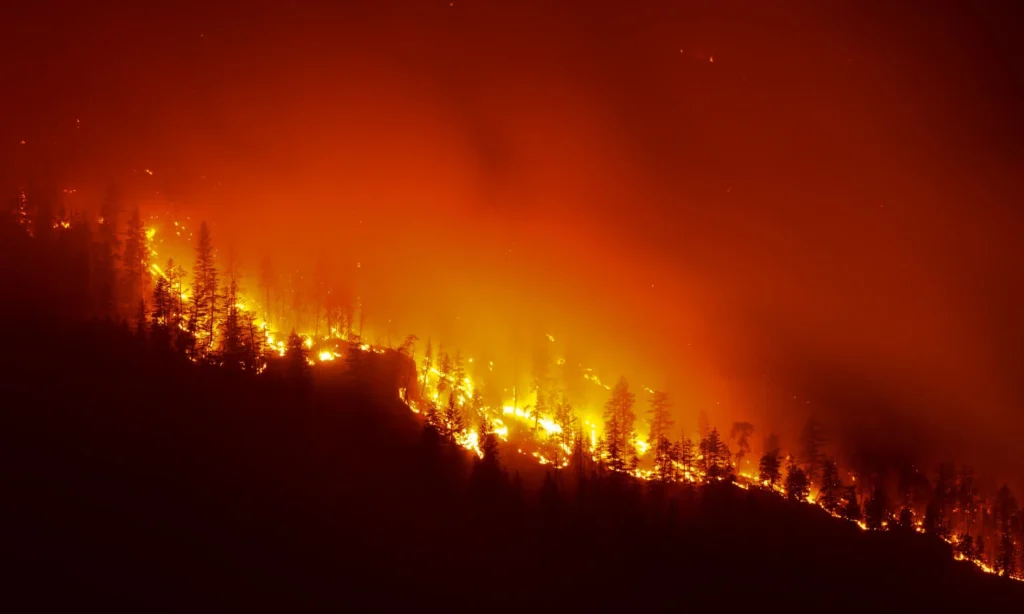
My husband asked the question over dinner last week, the kind you hope never gets an answer: If our house burned down, what actually happens to the bills? I laughed. Then I realized I didn’t have a good answer.
I grew up in Texas, where both wildfire and flood are real conversations, not hypotheticals. So I dug into what financial experts actually tell people who end up on the wrong side of a disaster. The short version: the fire is expensive, but the money problems that follow can last years.
Here’s what I found, and what I’d want to know before I needed to know it. (This is general financial information, not professional advice — your situation may differ, and insurance is a contract-specific world.)
The fallout lasts longer than the disaster
Ali Harris-Saunders, who works at a nonprofit credit counseling agency, says the impacts of natural disasters go far beyond the physical damage. “It can disrupt virtually every aspect of someone’s financial life,” she tells me.
She breaks the financial hit into two parts, and the second one surprises most people:
- Near-term: the cost of a place to stay, food, and other essentials during an evacuation — plus lost income and repairs to damaged property.
- Long-term: reduced property values, higher insurance premiums, and the debt that piles up once your emergency fund runs dry.
“I find that for many households, the biggest challenge isn’t the actual disaster itself. It’s the financial strain that follows after it,” Harris-Saunders says.
That second category is the one I was least prepared for. An emergency fund is your airbag, and it only works if it’s big enough for the real crash — not the small one you planned for.
Do these three things while you’re still in the middle of it
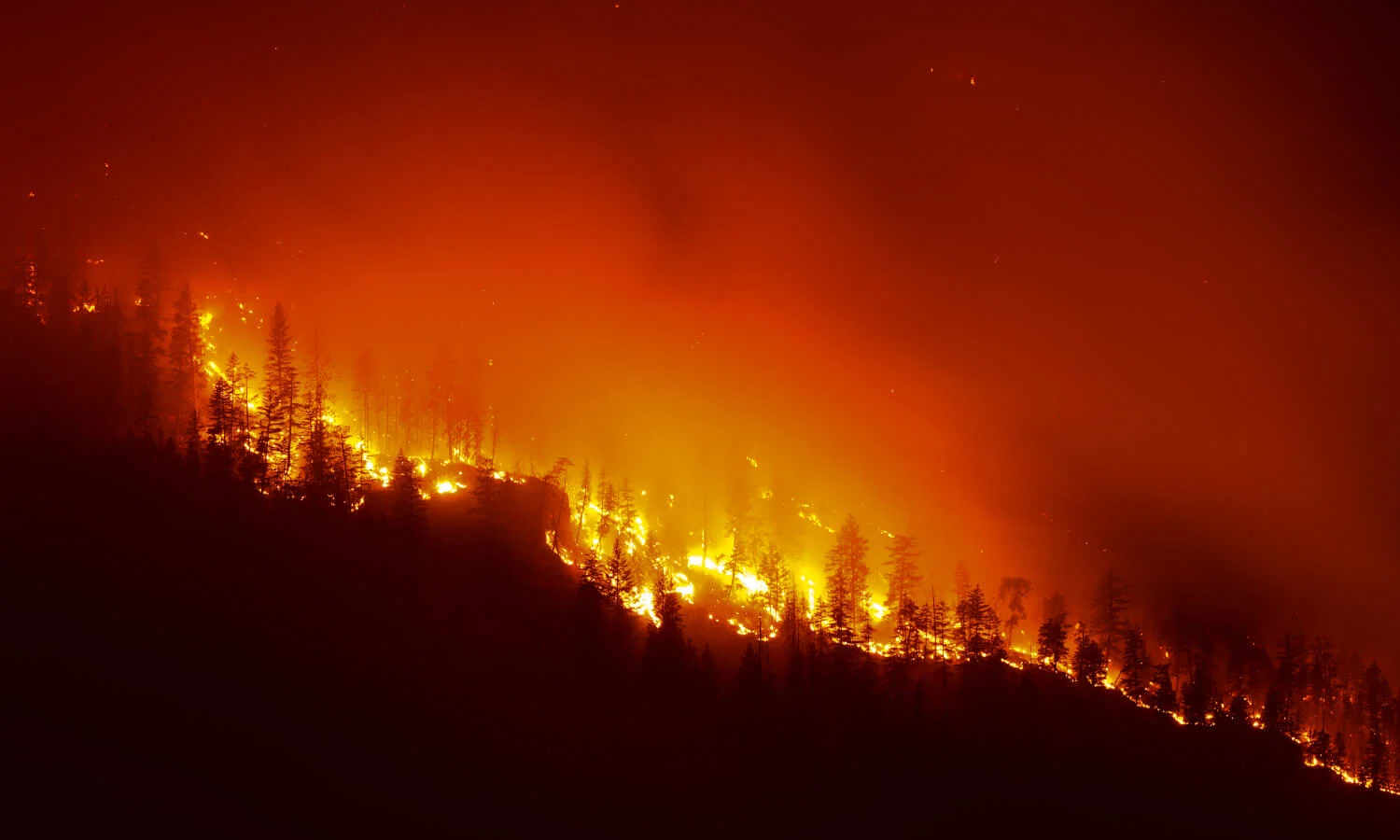
Rob de Pruis, with the national insurance industry body, recently came home from a wildfire in Penticton, B.C., where insurance company representatives were on the ground answering evacuees’ questions. He told me about residents who “literally left with only the clothes on their back, thinking they would go back the next morning. Well, they were out for almost a week. They have no clothes.”
If that’s you, here’s what the experts say to do:
- Call your mortgage, phone, and utility providers early. They can often offer temporary relief in hardship cases — but it doesn’t happen automatically. Keep up with regular payments while you’re arranging things, so you don’t fall behind.
- File your insurance claim the moment you’re evacuated — even if your home is untouched. “The moment that you’re evacuated, whether you have damage to your home or not, your insurance policy is triggered,” de Pruis says. Most home insurance policies cover living expenses for anyone under an evacuation order — lodging, food, essentials — and in that Penticton area, insurance reps were processing electronic payments on the spot. Some insurers even called clients proactively to tell them what to do.
- Remember the order of the money. Insurance is tapped first to cover immediate costs. Government emergency supports are meant for the “unmet needs” of people who are underinsured or uninsured.
Fire is covered. Flood is trickier.
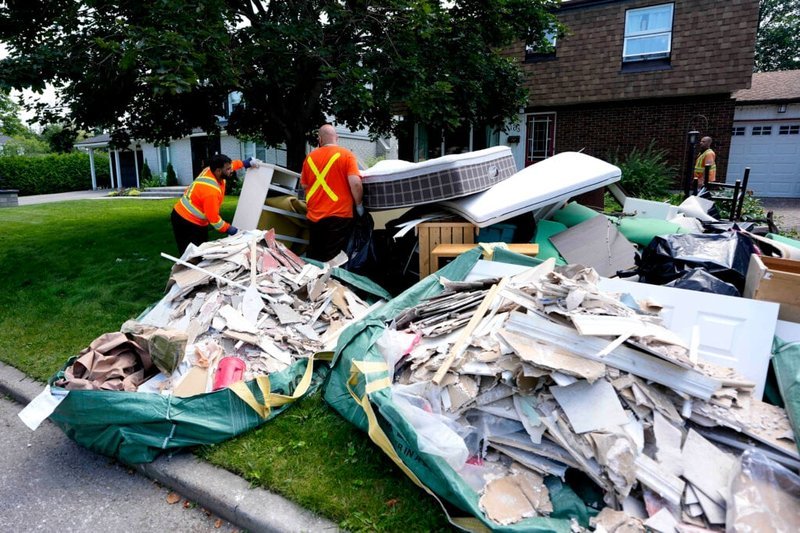
It’s standard for home insurance policies to cover fire damage. Flood damage is where people get caught off guard: overland and sewer backup coverage can be purchased on top of a base policy, and the coverage amounts vary by price point.
And it’s not just the structure. Policies may cover food spoilage — a big issue when the power has been out for days. Sometimes it’s bad enough that a fridge or freezer has to be replaced, which insurance may also cover.
When the all-clear finally comes, resist the urge to just walk in and start sorting through things. Jim Mandeville, a senior vice-president at a restoration company, says the first step is a thorough survey of the house — and it starts outside. “Walk around and really look around, look up, look down, look at the roof … and see if anything looks different.”
For fire, a practical test: run your finger over a surface. If it comes away black, you want to call your insurance company — and budget for professional cleaning, which can range from very minor to very, very extensive.
Don’t underestimate the cost of flood damage
Here’s the part I’d flag in red: if there’s still standing water outside the home, don’t go back in. Call your insurance company first — they usually have preferred flood restoration contractors.
And if water sat in a finished basement, ankle-deep or higher, for more than a few days, “you’re going to have a mold problem,” Mandeville says. “Costs will be tens of thousands of dollars, potentially many tens of thousands of dollars to get that remediated.” You may also be looking at a new furnace or boiler, a new hot water heater, and electrical damage. “It can be very, very expensive.”
And mold remediation is not a DIY project. Done incorrectly, it can threaten the health of everyone living there.
Mandeville says flood coverage often falls well short of what cleanup actually costs. “That’s something that, next time your insurance comes up to renew, really should be a topic of conversation between you and your broker — especially if you live in an area that has had flooding before or may be prone to flooding.”
A disaster is one bad week. The bills it creates are a project. The good news is that most of the damage is avoidable with a few phone calls you can make today, while nothing is on fire.
Start with one: at your next renewal, ask your broker one specific question — do I have overland and sewer backup coverage, and is the amount enough for a real flood? Then write the answer down. You and your future self will thank me.