
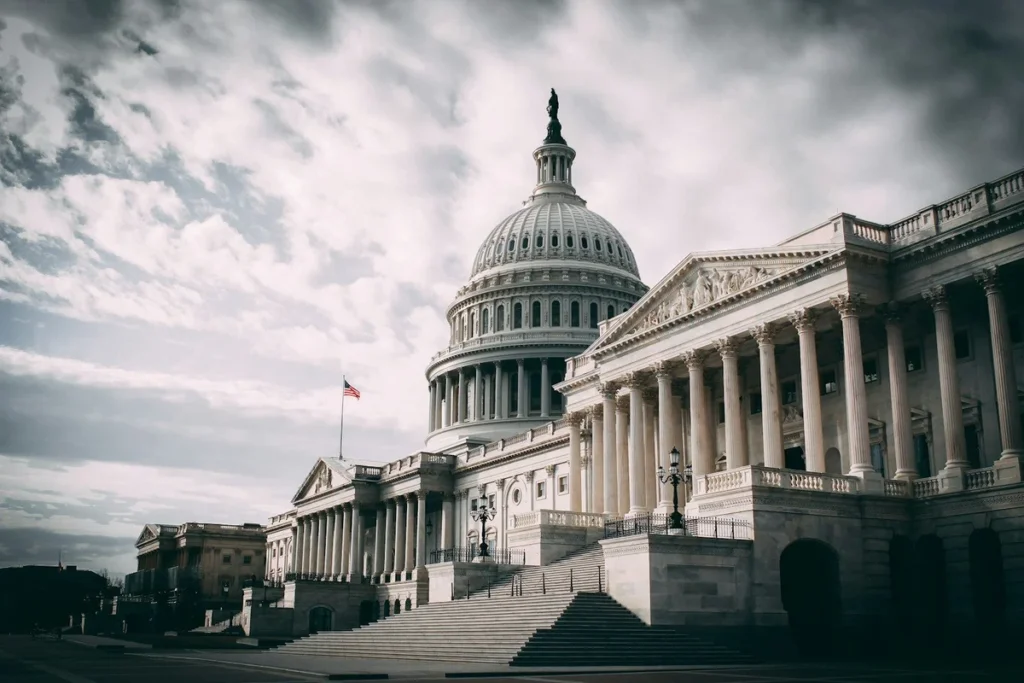
My husband and I were at the kitchen table, going over the stack of bills that always seems to multiply every month, when he asked the question I couldn’t answer. “What happens to our credit if the government shuts down?” I had no idea. I know how to budget for groceries and gas. I know how to keep a 401(k) on autopay. But a shutdown? That felt like someone else’s problem.
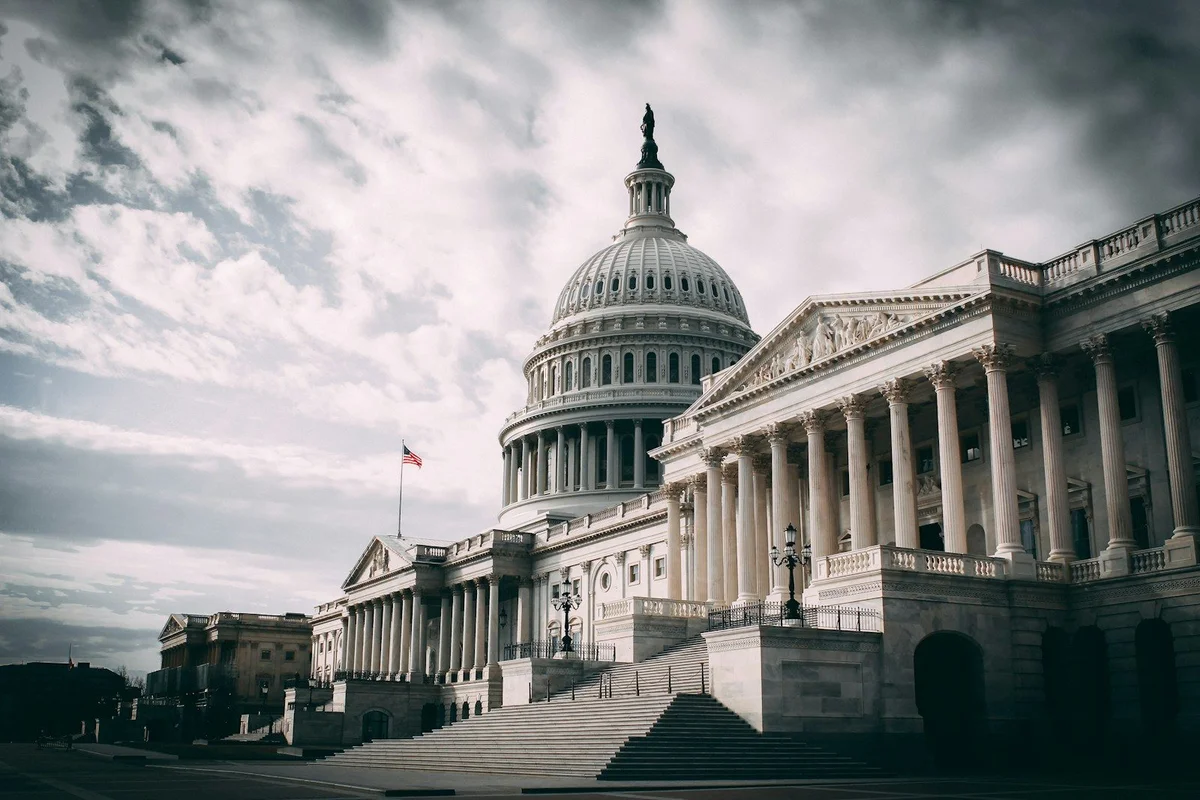
It’s not. And with Congress having pushed the funding deadline to December 11, 2026, and only 2 of 12 appropriations bills passed in the House and none in the Senate, the next lapse is a real possibility. Here’s what I’ve figured out about protecting your credit before the next deadline arrives.
The Last Shutdown Showed What’s At Stake
The 76-day shutdown that hit Department of Homeland Security workers hardest — TSA officers, FEMA staff, Border Patrol agents, Coast Guard — turned a paycheck delay into a credit crisis. One TSA officer fell three months behind on rent and watched their credit score drop more than 200 points, which derailed a plan to buy a home. I read that and thought it was an outlier. It wasn’t. When your paycheck stops and your bills don’t, that’s the standard outcome.
The part that keeps me up at night: federal law guarantees backpay once the shutdown ends. Your money arrives eventually. But a late payment already reported to Equifax, Experian, or TransUnion during the weeks your paycheck was missing doesn’t erase itself when the backpay check clears. AFGE President Everett Kelley put it plainly after the last shutdown: giving people backpay does nothing to undo the damage already done to their credit. A mortgage payment made 35 days late stays on your credit report for years, long after the missed paycheck has been repaid in full.
The Protection Bill That Hasn’t Passed Yet
In May, a group of senators introduced the Federal Worker Credit Protection Act of 2026. It would stop credit reporting agencies from recording adverse marks during a shutdown and for 30 days after it ends. It would also let affected workers correct damage already on file from past lapses. That’s exactly the fix for what happened during the 76-day shutdown.
It has not become law. So that protection doesn’t exist yet. I’d be careful about counting on it to shield your score during the next lapse.
What To Do Before December 11
This is the part I wish I’d done earlier. Call your mortgage servicer, landlord, and any lender with a large monthly payment. Ask what hardship or forbearance options they offer if a shutdown happens. Get the answer in writing. That way, when week three of unpaid work rolls around, you’re not Googling your options at midnight.
Build a small cash buffer between now and the deadline. Even a few hundred dollars gives you room to cover a mortgage or rent payment on time while backpay is still working its way through payroll. I know “a few hundred” doesn’t sound like much. But it’s the difference between a late payment and a late payment.
Check your autopay settings. If a high-balance account is set to autopay the full statement balance, and there’s no income coming in, that draft can trigger an overdraft on top of everything else. Switch to autopay the minimum, and pay the rest manually when you have the cash.
If Paychecks Actually Stop
Contact every lender the same week you miss a payment. Not after 30 days have already passed. That 30-day mark is when a late payment typically gets reported to the credit bureaus, so reaching out early is what protects your score. Ask specifically for forbearance or deferment, not a general hardship conversation. And get the terms in writing before you rely on them.
Prioritize rent or mortgage first, then any auto loan. Missing those risks losing your home or vehicle. Credit card debt comes next. Avoid payday loans or shutdown-specific short-term loans marketed at furloughed workers — their rates can turn a temporary gap into a much longer one. Federal credit unions and military relief societies often offer 0% or low-interest bridge loans built specifically for pay lapses, which cost far less than a payday product.
One more thing. Furloughed workers are a known target for scammers during a shutdown. Fake debt forgiveness offers. Fraudulent hardship loans that require an upfront fee. If you’re considering a debt relief company or credit repair service, verify it the same way you would any other time. A legitimate company never asks for payment before it does any work.
After The Shutdown: Paying Down What You Carried
Once backpay arrives, treat any new credit card debt you carried during the gap the same way you’d treat any other debt. List the balance and the interest rate. Commit a fixed amount toward it before that money gets absorbed into regular spending. A balance from a two-week pay gap should not still be on your statement six months later.
This is general financial information, not professional advice. Your situation may be different — check with your own lender or a financial planner before making big moves.
A government shutdown ends the way it always has. A bill passes, paychecks get released. What it leaves behind doesn’t always get fixed by that same bill. A credit score built over years can drop 200 points in a matter of weeks, and no backpay check reverses that on its own. The plan that protects your credit is the one you make before the lapse, not the one you scramble to build during it. Today, before the kitchen table stack gets any bigger, call one lender. That’s all it takes to start.