

Last New Year’s Day I opened my bank app, gasped, and closed it before my husband could ask what happened. Between gifts, a few too many “just one more thing” runs, and hosting, I’d spent way more than I planned. He looked at me across the kitchen table and said, “So. Did we buy a car?” No. We bought gifts and cookies.
This year I’m coming in prepared. We’re still months away from the first jingle in the store speakers, but the expensive part of the holidays always shows up fast. Here are the 11 things I’m doing now so I can enjoy the season without throwing my financial goals out the window (again).

1. Review your finances before the season starts
Before anything else, take a quiet check-in with your numbers. How much is actually going out each month? How much am I saving, and am I still funding my 401(k) and Roth IRA like I meant to? A quick review tells you exactly where you stand. And it shows you where to trim a little through the fall so the holidays don’t have to be where you trim.
2. Figure out what you can realistically spend
Start with the number that lands in my account after taxes and deductions. That amount has to cover rent, the phone bill, groceries, gas, and everything I’m setting aside for the future. Whatever is left after all of that is what I can actually assign to the holidays. It’s rarely as much as I wish. It’s always more than I’d spend if I went in with no plan.
3. Break the budget into categories
Once the total is set, I split it into categories so no purchase is ever a mystery. Mine look like this: gifts (plus wrapping supplies), decor, and hosting — drinks, menus, the festive touches. Yours will be different. Maybe you need travel for flights, or a separate line for Christmas cards, because those are never cheap. I put a hard number on each category based on what I can set aside between now and December. Then I watch what costs more (or less) than expected and shift the budget instead of guessing.
4. Set up a tracking system before spending starts
My budget — and my willpower — tends to crumble the second I see the first holiday products on the grocery shelves. So I stack a few simple tools: a color-coded visual tracker for my categories (seeing it makes it feel like a project, not a chore), a budgeting app for real-time tracking — I use Goodbudget’s digital envelope system, but any app you’ll actually open works — and a separate account for holiday money, moved completely out of everyday checking. The whole system works only if it’s set up early. Don’t wait until the first gift purchase to build it.
5. Check what your credit card actually offers
Credit card rewards get underused every single holiday season. If you already have a card, scan what it can do: cash back, points, miles you could put toward flights or hotels. If you’re looking at a new card, compare sign-up bonuses, flight credits, and free hotel nights before you commit. A few minutes of research is the difference between a reward you actually use and one that quietly expires.
6. Make a gift list — and check it twice
List every person you’re buying for, and put a number on each name before you shop. Family and close friends take up more of the budget; neighbors and coworkers take less. And leave a little wiggle room for one or two surprises — even if the surprise is a gift for myself that I saw while shopping and can’t stop thinking about.
7. Shop early, not in a panic
Starting in the fall spreads the cost across months instead of cramming it into a few hectic December weeks. Early shopping also dodges last-minute shipping fees and the panic-buying that comes with running out of time — both of which cost more than the gifts themselves. And no, you don’t have to wait for Black Friday or Cyber Monday. Big retailers run sales all the time, and early-season deals often beat the famous ones on bigger items. If a price drops after you buy, don’t sweat it — many retailers will price-match if you call.
8. Audit your receipts once a week
At the end of each week I log what actually happened against the plan. It sounds tedious. It’s the habit that catches problems in October instead of January, when it’s too late to adjust. Overspent one category this week? I fix it next week instead of letting it snowball for the season. If I’m over everywhere, I go back to the original budget and find where I underestimated — then I fix the plan, not just the symptom.

9. Reduce, reuse, recycle
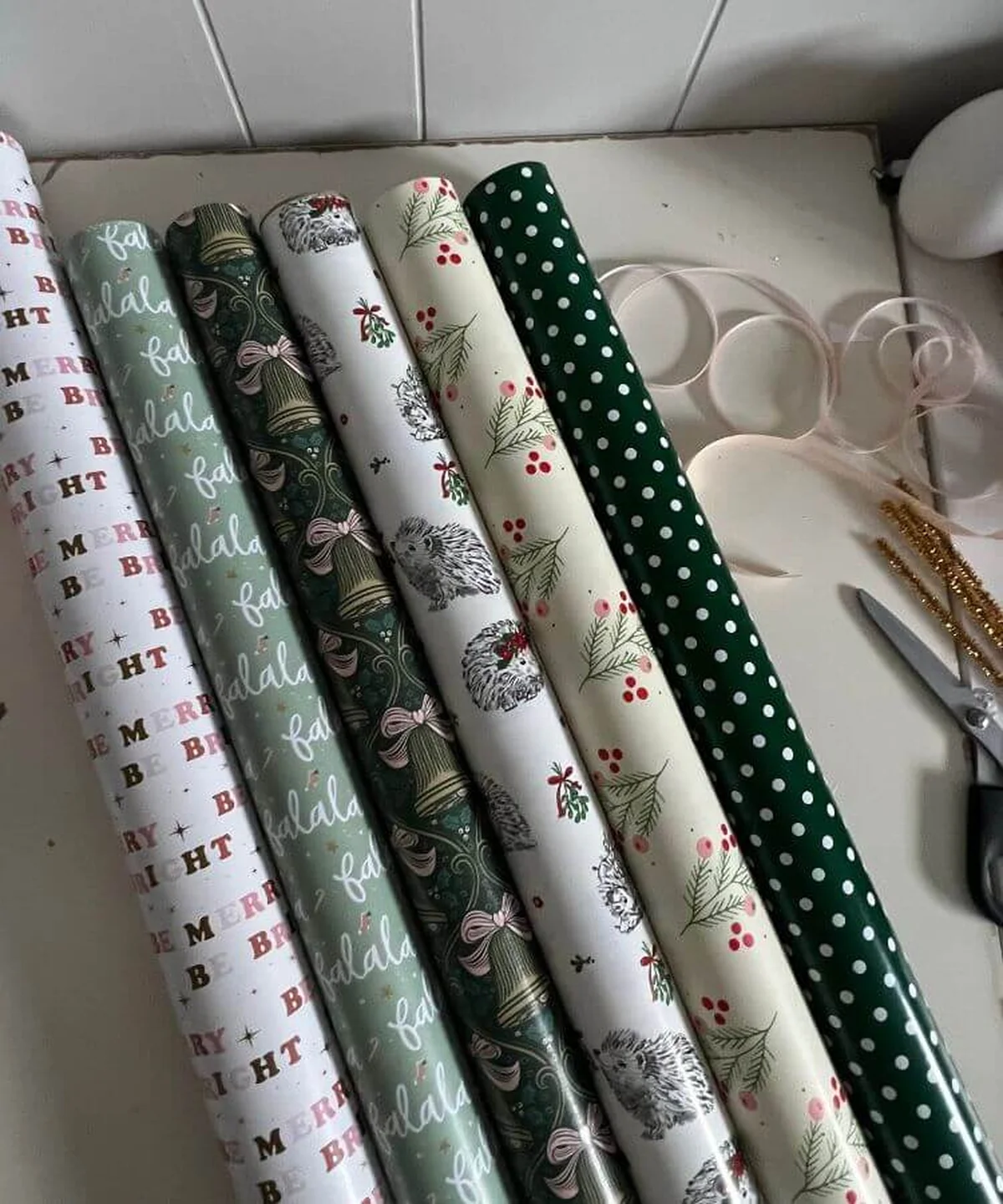
The holidays lean consumerist. They don’t have to be. The thought counts: a donation to a cause in someone’s name, a thrifted item, a regifted book I genuinely loved, a DIY gift built around a hobby. Even the wrapping can be reused — the plain brown paper bags from grocery runs make surprisingly good gift wrap. And for the work parties and holiday dinners: I don’t need a new outfit for every single one. Building new looks from what’s already in the closet, plus one fresh piece here and there, keeps things feeling new without spending a dime.
10. Go gift-free (for the people who’ll love it)
The season isn’t about the physical gifts — it’s about the time and the memories. Instead of spending on presents, spend that money (or less) on experiences: ice skating with friends, a holiday movie marathon, raiding each other’s closets, making holiday cocktails at home, a cookie exchange, a PowerPoint party. And while you’re talking, ask your friends and family how they’re saving this year. You probably aren’t the only one with money on your mind.
11. Reframe the mindset
Any income feels limiting in December, when every dollar toward “holiday joy” feels like a dollar taken from the future. But I’m not funding a Pinterest-perfect season. I’m funding a realistic one, and those are two different budgets. Stop comparing my spending to what I’d do with more money, and start building a plan around the money I actually have. The moment I did that, the season felt easier — and honestly, more fun.
You don’t have to do all 11 at once
This year doesn’t have to be perfect. If a budgeting app feels like too much mental load, use a notebook. If credit card points feel like they require an engineering degree, skip them until next year. Just aim to do a little better than last year, and do the same next year. And if the numbers still feel fuzzy, my financial planner is always the first person I call — this is general advice, not professional advice, so work it into your own situation before committing.
The holidays cost less when they’re planned. Pick one thing from this list tonight — the finances check-in takes a few minutes — and you’ll thank yourself on New Year’s Day.