
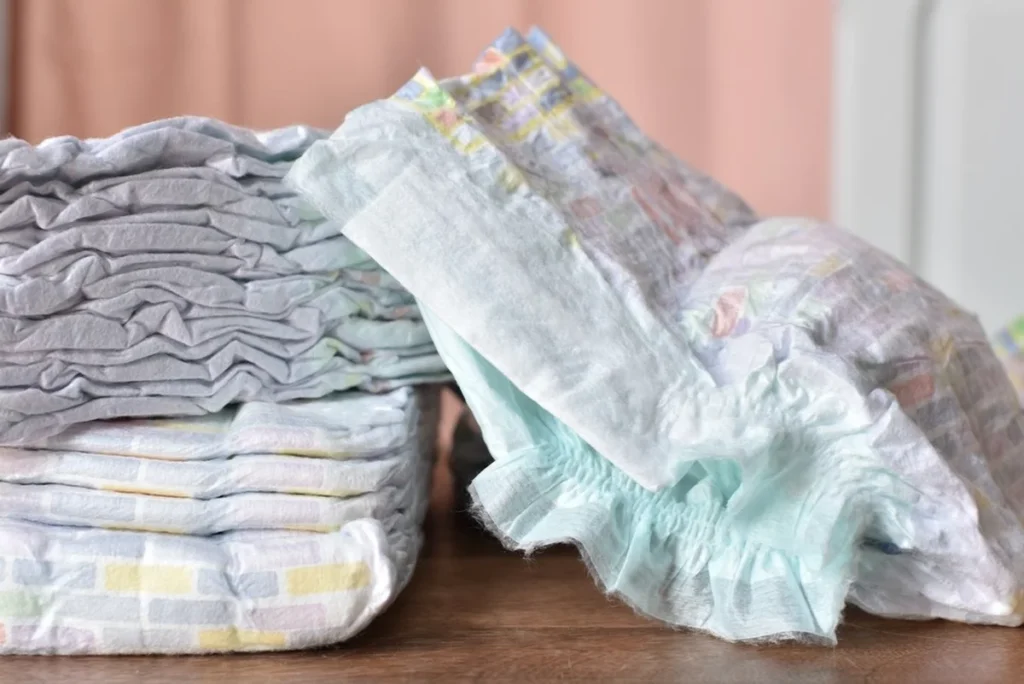
My sister in Italy called me last month, still on the tail end of her first week of newborn chaos, and asked me the question I’ve been dodging for months.
“Is there anything we can actually claim? The diapers are eating our budget.”
I’d been down this rabbit hole before. My mother-in-law in Bologna had asked me the same thing when her grandson was born. I gave her a version of what I’m writing down now — and this time I’m writing it so I don’t lose it.
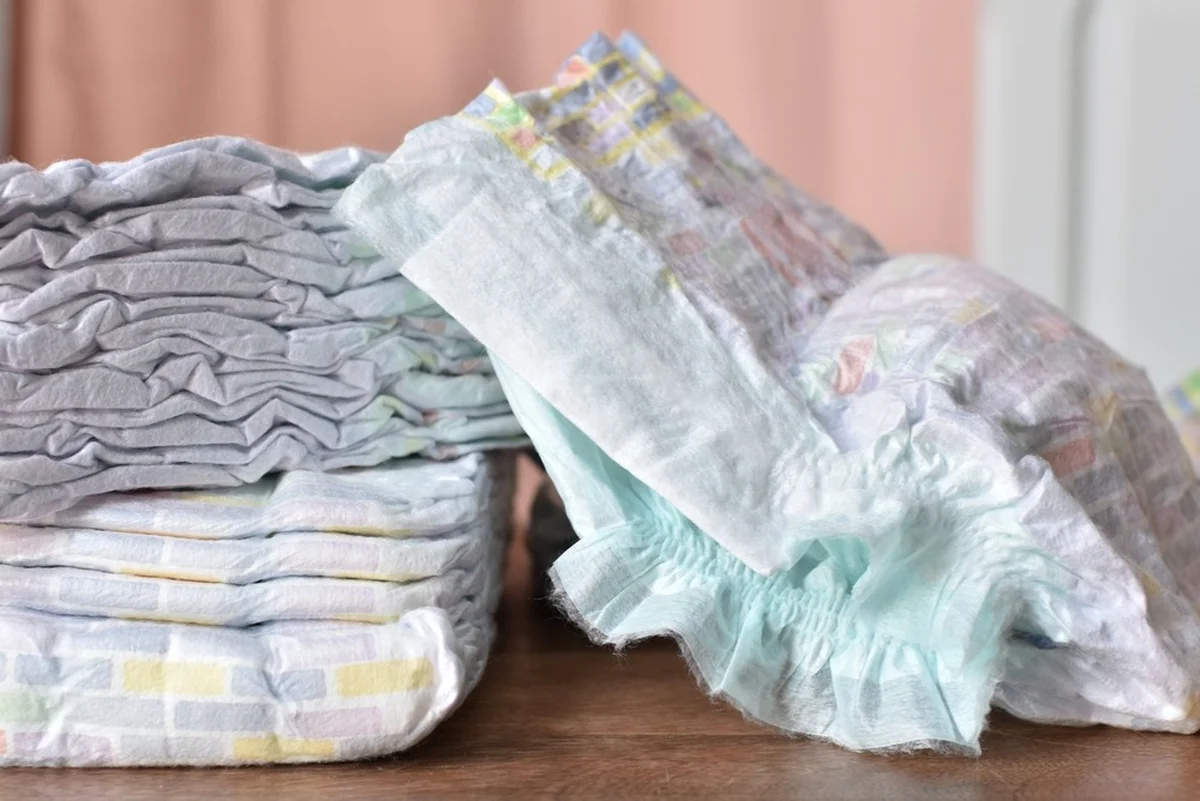
Here’s the short version: in some parts of Italy, a local government benefit called Famiglia Ecosostenibile (roughly, “eco-sustainable family”) can cover a real chunk of the diaper bill. The headline number I keep coming back to: in some municipalities, the program reimburses 50% of the cost of a reusable diaper kit, with a €100 minimum spend and a €400 maximum reimbursement. Not bad for a family whose biggest surprise expense was a bag of cloth diapers.
Before you start planning a trip to the town hall, one thing matters more than any of the numbers: this is not a national program. Each Comune — and I mean the individual town government, not the region, not the country — decides whether it runs the program at all, what it pays, and who qualifies. The rules in one town can be completely different two streets over. I’ll explain what the program actually does in a moment, but I want to be honest about the shape of it first.
What Famiglia Ecosostenibile actually covers
The name is doing a lot of work. “Eco-sustainable family” sounds like a government campaign. In practice it’s an umbrella term local governments use for a small set of benefits, and the three pieces that matter for a family budget are:
1. A dedicated diaper bin for families with small children. Disposable diapers can’t go in the standard “non-recyclable” bin in many Italian towns — they have to be sorted separately, and some municipalities get grumpy about the volume. In exchange, some towns will issue a special container just for diapers. You pick it up at the local Ecosportello (the municipal recycling drop-off point) or sometimes get it delivered. The age limit varies: some towns cover children from 0 to 3 years, others draw the line at 2 and a half years. I’d call the town before you assume.
2. A reduced-rate waste service for families with medical needs. This one is less obvious. If someone in your home is producing a lot of non-recyclable waste because of a medical condition — incontinence products, dialysis bags, catheters, colostomy pouches, things like that — some municipalities will issue a dedicated container and charge a reduced or special rate for its collection. The application usually goes to the Ufficio Servizi Sociali (the town’s social services office), though some places route it through the waste collector directly. I learned about this piece from a neighbor who’d never heard of it until her husband needed it.
3. A 50% reimbursement for reusable diapers. This is the one that’s worth the most money, and the one I keep coming back to. In some municipalities, if you buy a reusable diaper kit from a pharmacy or another approved retailer, the town reimburses 50% of the purchase — minimum €100 of eligible spending, maximum €400 back, and the whole kit has to be on a single receipt. The receipt has to clearly show what you bought. If the receipt is vague (which it will be, ask me how I know), the town may accept a short note from the shop confirming the purchase.
That last one is the piece I’d lead with. It’s the only one that turns a monthly expense into a one-time one, and for a family doing the math on cloth versus disposable, a meaningful reimbursement on a kit can flip the decision.
Why “not a national program” is the most important sentence in this post
I keep writing it because I keep forgetting it. Famiglia Ecosostenibile is not a single program with one set of rules you can look up online the way you’d look up a tax credit. It’s a label. The actual decisions — whether the benefit exists, who qualifies, how much it pays, which office you go to, what the deadline is — are made by the individual Comune, or by the union of municipalities, or by the company that runs the local waste collection and billing.
What this means in practice: the age limit for the diaper bin, the collection rate for the medical-waste container, the size of the container, the conditions for the medical-needs category, the reimbursement amount for reusable diapers, the documents you need, which office you file with, and the deadline for applying — all of it can differ from one town to the next. A family in one town might get the full benefit. A family in the town next door might not be covered at all, or might face different requirements.
I’m not writing this to be discouraging. I’m writing it because I’d rather you spend ten minutes on the phone with your town than spend an afternoon at the wrong office with the wrong form. The benefit is real where it exists. It’s just local.
How to actually check whether you qualify
Here’s the part that’s genuinely useful, even if you’re reading from the U.S. for a relative back home.
Step one is the phone call. Call the Uffici Comunali — the town hall — or the local waste collector (the company that sends you the bill). Ask specifically: “Do you have a Famiglia Ecosostenibile benefit, or a diaper-specific benefit, for families with small children?” That single question will tell you whether the program exists in your area, and if it does, they’ll point you to the form.
Step two is the form. When the benefit exists, you fill out a specific application form prepared by the local authority. There may be different forms for the diaper bin, the medical-needs waste container, and the reusable-diaper reimbursement — I’ve seen all three. The forms are usually posted on the Comune’s official website, the union of municipalities’ site, or the waste collector’s site. You submit the form to the Ecosportello, the Ufficio Servizi Sociali, or the office the local regulations specify.
Step three is the receipt, if you’re going for the reusable-diaper reimbursement. Buy the kit, keep the single receipt, make sure the items are itemized, and file within the window the town gives you. I learned the hard way that “I’ll keep the receipt and deal with it later” is a lie every family tells itself. The window is shorter than you think.
Before you file, check the requirements, the documents they want, and the current version of the form. I can’t tell you which office in your town handles this — I genuinely don’t know your town. But I can tell you that the person who answers the phone in the morning is almost always more useful than the website’s PDF, which is often a year behind.
One thing I’d do this week
If you’ve got a family in Italy — a sister, a parent, a friend — and there’s a baby in the house or someone dealing with a medical situation that’s racking up the waste bill, the single most useful thing you can do this week is make that one phone call. Ten minutes. One question. “Do you have a Famiglia Ecosostenibile benefit?”
Most families I’ve talked to never thought to ask. The benefit is sitting in their town’s regulations, and they’re paying full price for diapers they could have been reimbursed on. Small wins, but they add up — and in a town where the answer is yes, the math on reusable diapers gets a lot friendlier.