

Last August, my kids handed me a list at the kitchen table. Not a note. A list. Fourteen items, one of them a calculator they absolutely did not need, and at the bottom, in my daughter’s very serious handwriting: please.
My first instinct was to do what I used to do for years on end — hand over my card and hope for the best. But after years of paycheck to paycheck, I know how fast a single $750 shopping trip can eat a month. So this time I made them budget it with me. And honestly? It went better than I expected.

Back-to-school spending is no joke. A survey by Caddle and the Retail Council of Canada found average back-to-school spending for kindergarten to Grade 12 students came to $600 to $750 per child when electronics were included. Ninety-one percent of parents surveyed said shopping was more expensive than in recent years, and 53% said it was a lot more. That’s not a rounding error — that’s a vacation, a car payment, or a serious dent in the emergency fund, per kid.
Start with the number, not the store
Before the kids see a single aisle, the family needs a number. Mine doesn’t come from wishful thinking — it comes from my budget categories, and this year’s back-to-school line is one of them.
A financial manager at RBC, Zeid Marar, puts it simply: have a conversation with your children about the difference between what they need for the new school year and what they want. A new calculator or a new backpack sounds good. Last year’s backpack probably still works. Pencils, notebooks, and a new pair of running shoes for a kid who’s outgrown them? Those are needs.
Getting kids to the right decisions — while they’re still making them — is what builds the habit. Marar says that’s what empowers them to make the right financial decisions now and in the future. I’d add my own note: the number you start with is the ceiling. It’s not a suggestion.
Match the independence to the age
How much control you hand over should scale with maturity, and Amanda Martin, who manages community engagement and education at the Canadian Credit Counselling Society, has a clean playbook for it.
For young kids: narrate while you shop. “We’re buying two of these because the single box costs more per notebook.” Let them hear the trade-offs out loud.
For 12- and 13-year-olds, Martin suggests something better: give them the budget and let them build the list. Let them research the items for the best deals. Then you sit down together, go through the list line by line, and help with the actual shopping — so you still have a say in where the money goes, but the planning exercise was theirs.
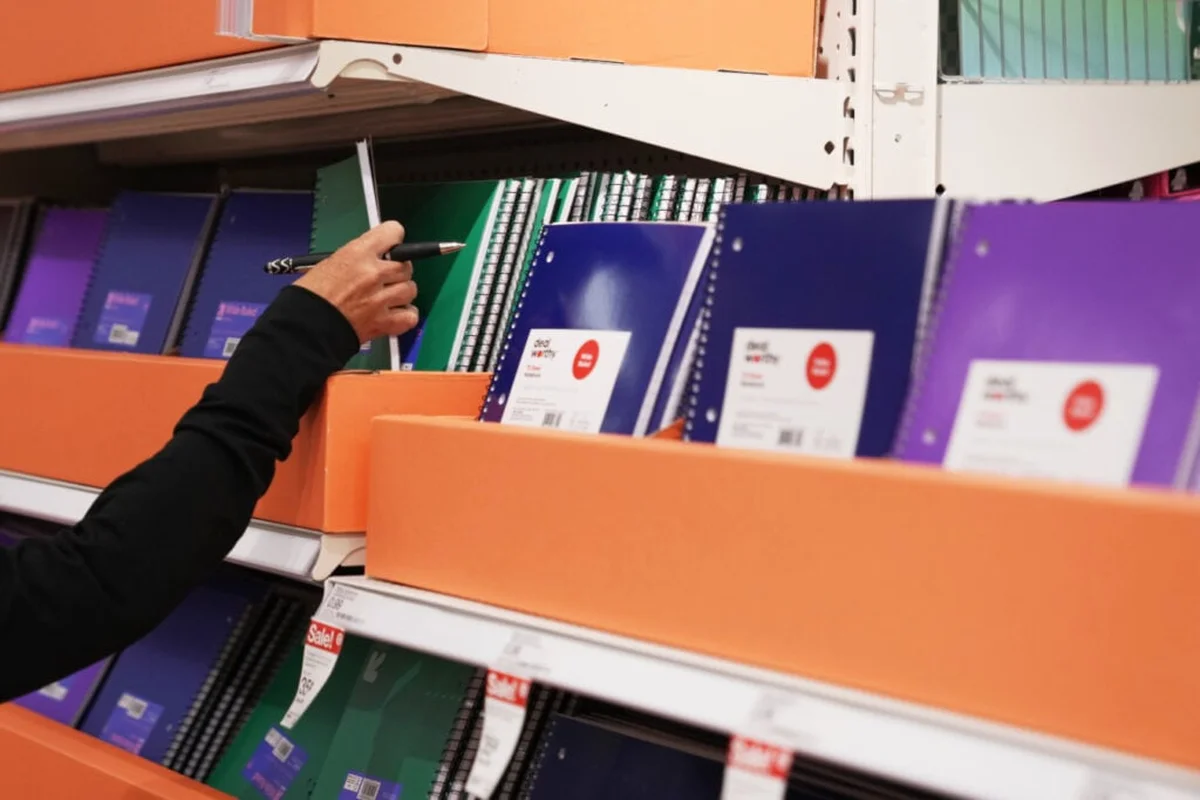
My daughter did exactly that exercise this year. She found a store with better prices on notebooks than the one we usually use, and she was genuinely proud of it. That pride is the point. It’s the same feeling I get when my 401(k) contributions quietly compound — small, unglamorous, and completely under my control.
Let them make a mistake (on purpose)
Here’s the part parents want to skip: even with a budget, mistakes are going to happen. Martin says that’s fine — what matters is explaining what went wrong so the kid learns from it instead of just resenting the math.
She also says the values conversation goes hand in hand with the budget itself. It’s not just the dollars that get spent, it’s whether those dollars line up with what your family actually values. For us, that means school supplies before the nice shoes, and the nice shoes wait for a payday — theirs or mine.
Marar calls building money habits early the key to success at any age: the habits you build early serve you over your lifetime and help you reach financial freedom down the road. I believe him because I lived the other version for years. The habits I skipped at 24, I paid for at 32.
What to do today
You don’t need a whiteboard or a financial planner (though my Wealth Planner has seen me do this on a napkin, twice).
- Pick your per-kid number before you leave the house. Write it down.
- Sit at the kitchen table with the supply list and sort it together: needs on the left, wants on the right.
- Older kids build the shopping list and hunt the deals. You approve the final list.
- When a want gets cut, don’t rescue it. Say: that’s how budgets work.
Summer isn’t one big bill — it’s dozens of small ones, and back-to-school is the biggest one of the bunch. But a budget, done at the kitchen table with your kid’s handwriting on it, stops being your spreadsheet and starts being their lesson. And lessons, unlike school supplies, don’t need to be replaced in the fall.