

I was at the kitchen table this week, staring at my brokerage app while scrolling through emails from friends. Everyone wanted to know the same thing: “If the dollar is supposed to be safe, why is it falling right alongside stocks?” It does feel backwards.
My husband glanced over and said, “Maybe nothing makes sense anymore.” But actually, four factors explain what’s happening — and none of them require a finance degree to understand.
Falling real rates

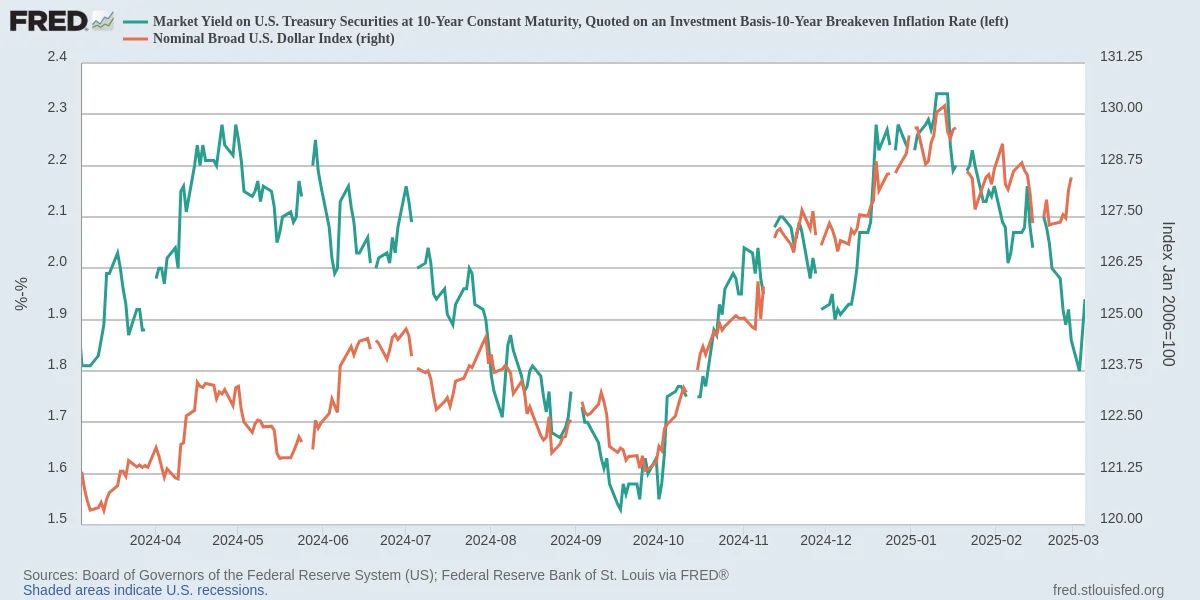
The dollar is tracking something called real interest rates. That sounds intimidating, but it just means the difference between what you earn on your savings and how fast prices are rising. Right now, economic growth is slowing while inflation isn’t dropping as fast as we hoped. Real rates go down, and so does the dollar.
US rate expectations going lower
The Fed is under pressure to cut interest rates more quickly than markets expected. There’s a good way to see this coming: something called SOFR spreads — basically, the gap between very short-term borrowing costs for banks. When those spreads narrowed, it was a signal that lower rates were ahead of us.
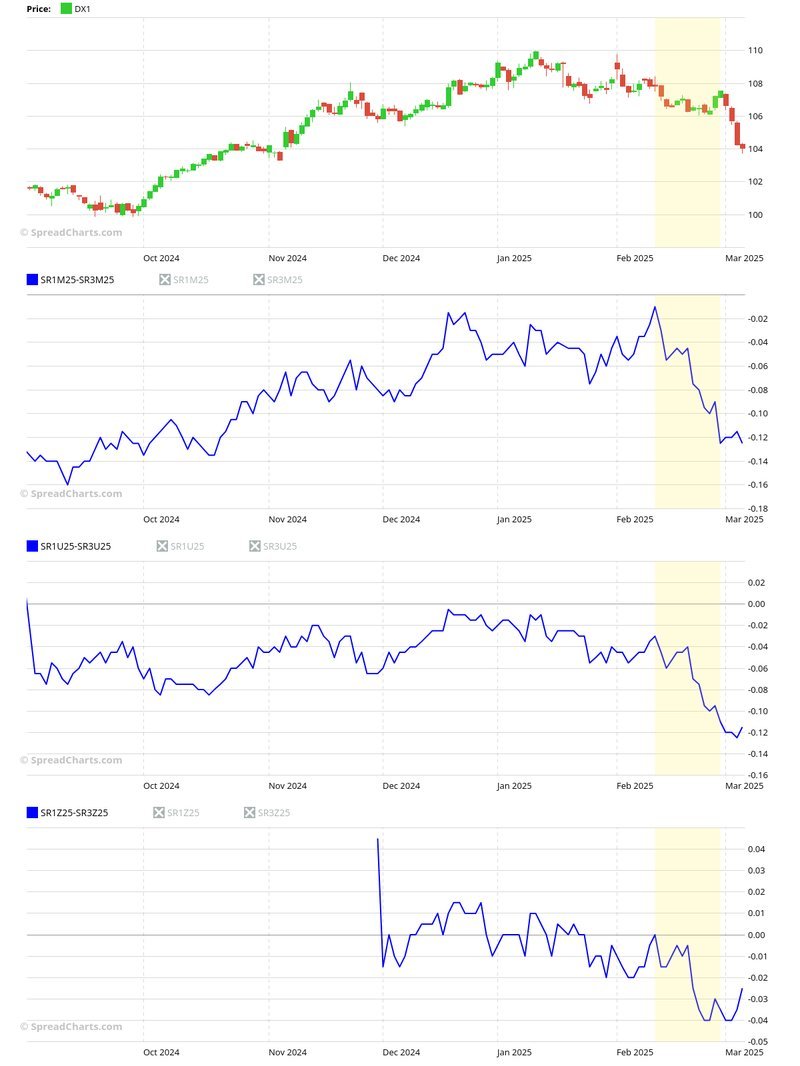
And here’s why that matters for your money: when US interest rates fall, dollar-denominated assets become less attractive to investors. Capital looks elsewhere for better returns.
The Euro is getting more interesting
While the US was heading toward lower rates, Europe was doing something unexpected. Germany might abandon its Schuldenbremse — a constitutional debt brake that has capped government spending for years. If they unleash hundreds of billions of euros into the economy, it would push both growth and inflation higher.
Higher inflation in Europe means higher rates. Add all that new government debt to the mix — someone has to buy it, which further pushes up yields — and you get a simple result: capital flows toward euro assets instead of dollar ones.
Cheaper energy in Europe
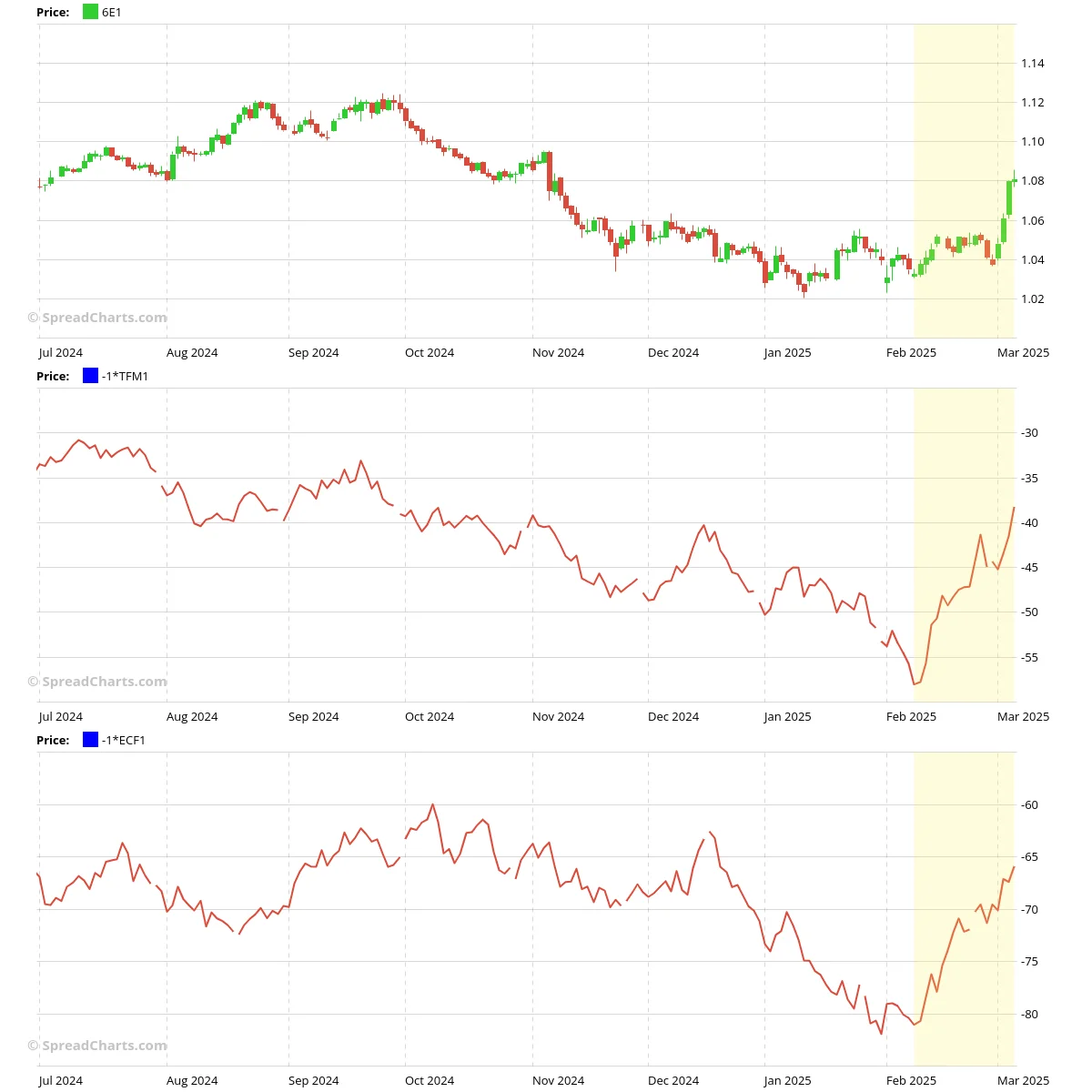
This one is easy to visualize. Natural gas prices (specifically TTF benchmarks) and carbon prices in Europe have dropped sharply. That takes pressure off the euro, which had been weighed down by expensive energy.
Yes, short-term weather effects now influence global money flows. Welcome to how interconnected everything has become.
The scenario that changes everything
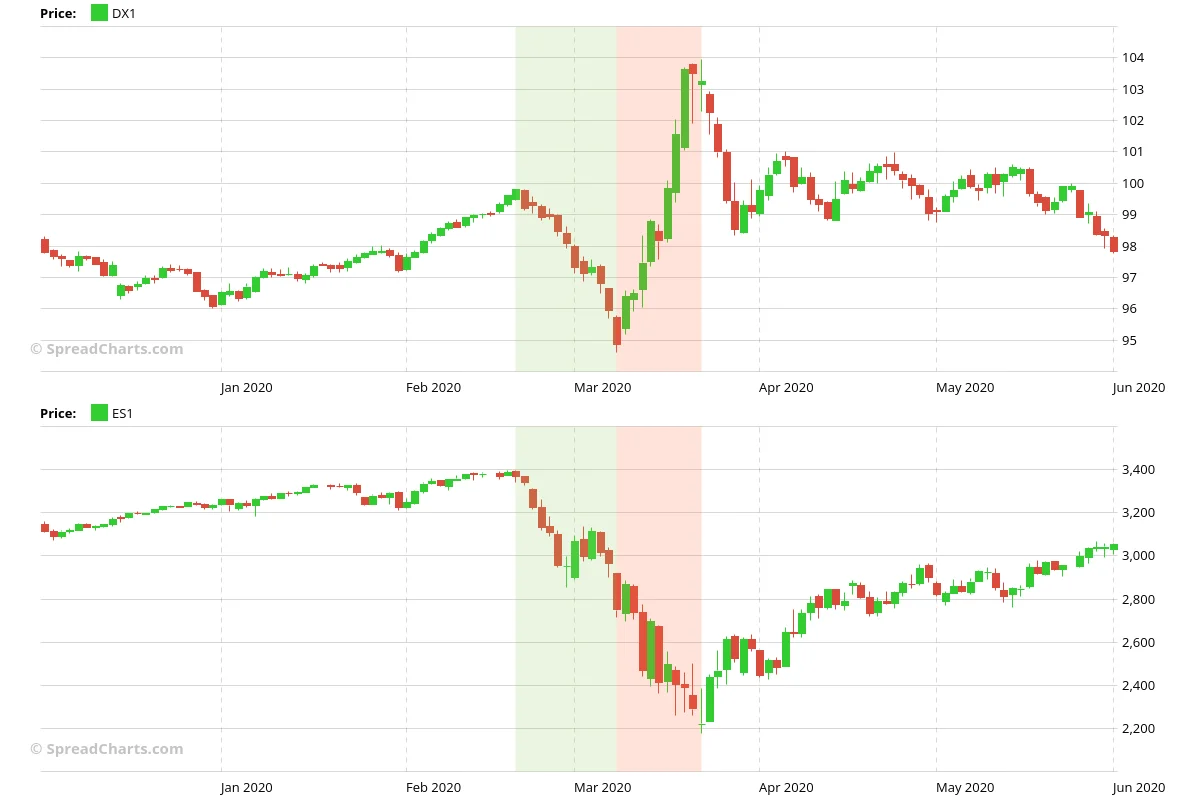
All four of these factors matter — until they don’t.
If markets deteriorate into a full-blown liquidity crisis, the rules change. Margin calls start hitting, and asset managers sell whatever they can to raise cash. The dollar typically spikes in those moments because everyone rushes back to safety, regardless of fundamentals.
We saw it play out exactly like that during the COVID crash in March 2020. At first, the dollar fell along with stocks. Then the correlation flipped — and while equities kept dropping, the dollar surged higher as panic selling accelerated.
So what now?
I’m not going to pretend I have all the answers here. My rule is simple: align your strategy with market reality, not with how things usually work.
If you want a practical thing to watch this week, look at crude oil prices and the shape of the futures curve. Those signals tend to move ahead of dollar moves. And remember — we’re not in crisis mode yet, but being aware of what could flip makes all the difference between panic selling and staying calm.
Start with one small step: check how much of your portfolio is tied to a single currency. That ten-minute look could save you from making emotional decisions if things get messy.