

The second half of 2022 felt like everything was crashing at once.
Back in July of last year, I wrote a post trying to make sense of the numbers: unemployment was low, credit markets were calm, consumer spending held up. But emotionally? It felt like we were heading into a decade where we’d be selling our shares of VOO — Vanguard’s S&P 500 ETF — at steep discounts just to survive.
In that piece, I threw out a prediction: the S&P 500 would bottom around 3,200 points. The math behind it doesn’t really matter. What matters is that at the time of writing, the index sat at 3,966. That was a big gap between where things stood and where I thought they’d go.
And honestly, I was just trying to stay entertained while dollar-cost averaging into what felt like a fire. Dollar-cost averaging means investing a fixed amount regularly — buying more shares when prices drop and fewer when they rise. It’s the financial equivalent of not timing the bottom of a wave; you just keep stepping in.
Fortunately for me, I was wrong. And that turned out to be good news.
The real bottom arrived at 3,491
The actual low came on October 12, when the S&P 500 hit 3,491. So my guess of 3,200 was a bit too pessimistic. But someone else I spoke to that week nailed it much closer.
On October 19, we released an interview with Liz Young, head of investment strategy at SoFi. I was re-reading it the other morning because her take on the market felt so prescient now — even though she gave it during one of the darkest months of 2022.
As of July 3, 2023, the S&P 500 was up 16% year to date. Unemployment remained at an all-time low. Interest rates were in line with historical averages. Inflation had peaked roughly a year earlier and kept coming down.
None of the forecasts going into 2023 suggested we’d be in this position. And yet, here we are.
The market sees things before you do
Liz put it best during our conversation: “The market is a forecasting mechanism. It’s forward-looking; it tries to predict what the economy will be 6–12 months from now.”
In other words, the stock market and the actual economy run on different timelines. The market bottoms first. Earnings bottom second. The broader economy comes in last.
This gap is where most investors trip up — myself included during that stretch. I got dozens of messages like: “Things look worse every day. Should I hold off on investing?”
The answer, of course, is the opposite of what panic tells you to do. But when everyone’s brokerage account seems to be in freefall at once, even experienced investors second-guess their plan.
A prediction worth keeping
Liz said something in that episode that stuck with me as maybe the best advice I’ve ever heard on this topic:
“I have a feeling that we’re going to look back on this period and wish we had bought more.”
If someone had followed that instinct, they’d be up roughly 21% by July 3.
I’ll admit something: during post-production of that episode, I almost cut that line. Could it come across as financial advice? The markets were ugly — look at the headlines from those weeks:
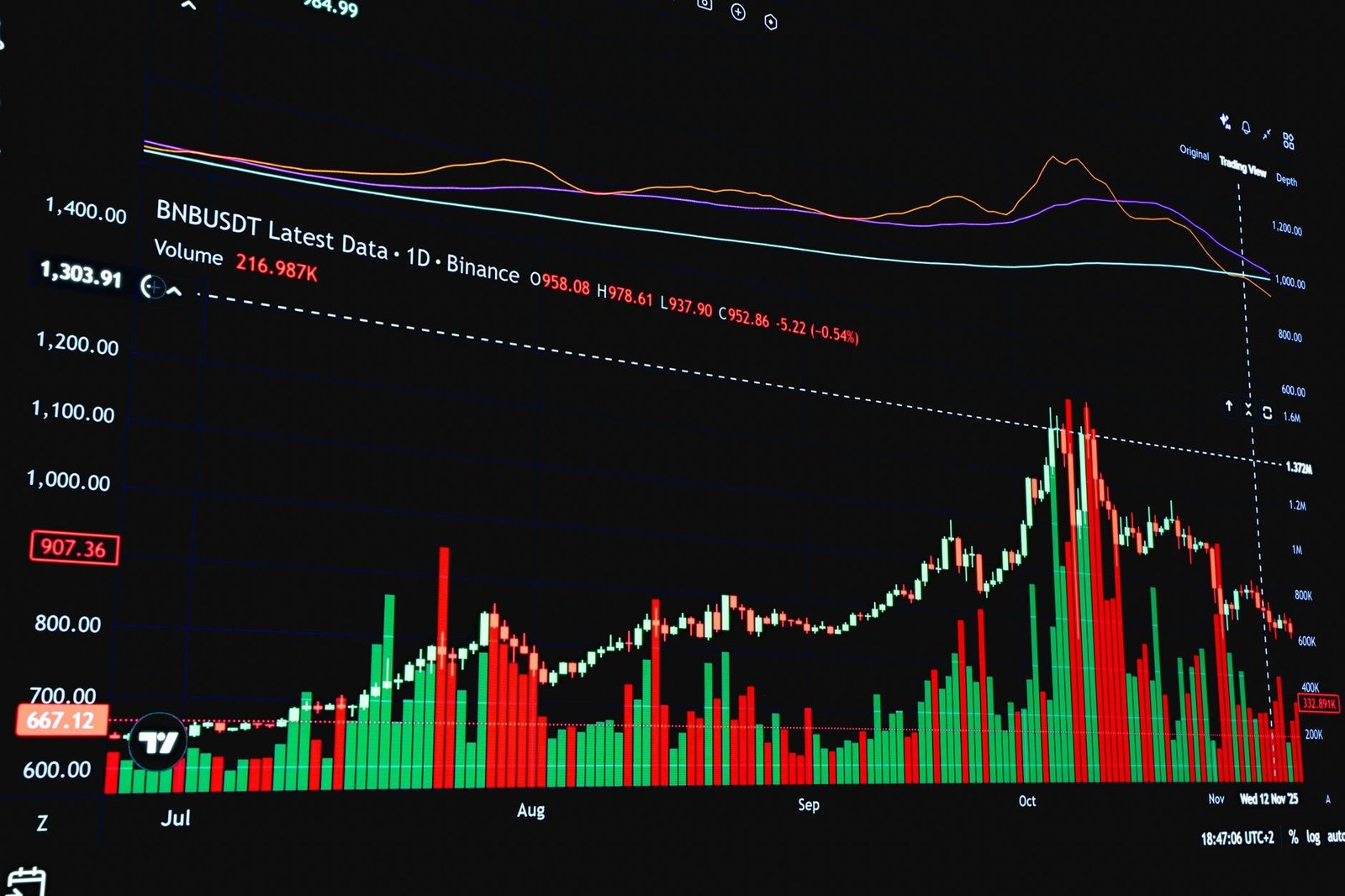
In the end, we kept it. Liz is a professional, and her comment was framed as a feeling, not a hard recommendation.
Facts don’t care about your feelings
The last 12 months have been a crash course in trusting data over vibes. That annoying saying — “facts don’t care about your feelings” — is painfully true when it comes to investing.
The investor mistake most likely to cut your returns in half isn’t picking the wrong stocks. It’s selling at the worst possible time because of how things feel on any given Tuesday morning.
The market will always be noisy. Your job is not to predict every dip — it’s to have a plan and stick with it even when everything screams otherwise. Slow and steady beats timing the storm perfectly, almost every time.
Tonight, take five minutes to look at your investment account without reacting. Just observe. If you’ve been dollar-cost averaging through the rough patches, remind yourself: that discipline is doing more for your portfolio than any crystal ball ever could.”,