

I was sitting at the kitchen table last week going through our monthly statement when I noticed something I’d overlooked before: commodity futures don’t have to be this intimidating thing only Wall Street traders understand. My husband looked over and said, “You’re staring at rubber prices again.” He wasn’t wrong.
So let me break down why SGX Rubber futures caught my attention — and why they might deserve a spot on your watch list too.
Two contracts, one worth watching
The Singapore Exchange lists two rubber futures: TSR20 and RSS3. Both come from natural latex tapped off rubber trees. TSR stands for Technically Specified Rubber — liquid latex that congeals naturally into blocks used in tire manufacturing. RSS is Ribbed Smoked Sheet, where the latex gets rolled into sheets and smoked.
TSR20 trades much more volume than RSS3, so I’ll focus on it here. If you want the full specs for both, they’re at the end of this post.
Physical settlement matters
Futures contracts settle in one of two ways: financially (cash) or physically (actual delivery). With physical settlement, someone has to deliver the real commodity when the contract expires. Why should you care?
Because it keeps the futures price tethered to what’s actually happening in the real market. You want your trade to reflect true supply and demand, not just paper numbers diverging from reality.
It can cut both ways though. Remember negative crude oil prices in spring 2020? That happened on WTI specifically because it’s physically settled — storage filled up and sellers literally paid buyers to take the stuff. Brent futures, which settle financially, didn’t go negative that same period.
Physical delivery contracts are actually rare in Southeast Asia — most of them use cash settlement instead. So SGX Rubber being physical is notable.
Rubber has seasonal patterns you can track
Like many agricultural commodities, rubber shows pretty clear seasonal trends. Now I’ll be honest: seasonality isn’t something I’d bet the house on. It fails from time to time, and it’s not a strategy by itself.
But when other signals line up with the seasonal direction, it can give your trades real momentum.
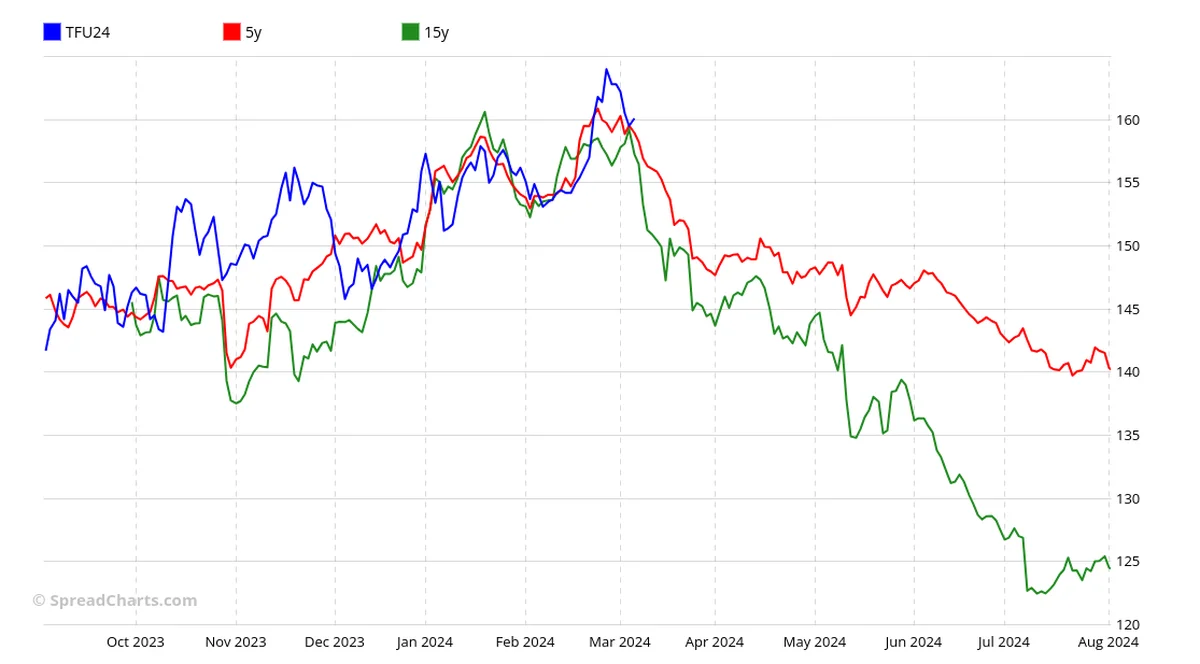
These patterns show up in outright futures prices and also in interdelivery spreads — that’s the price difference between contracts expiring in different months.
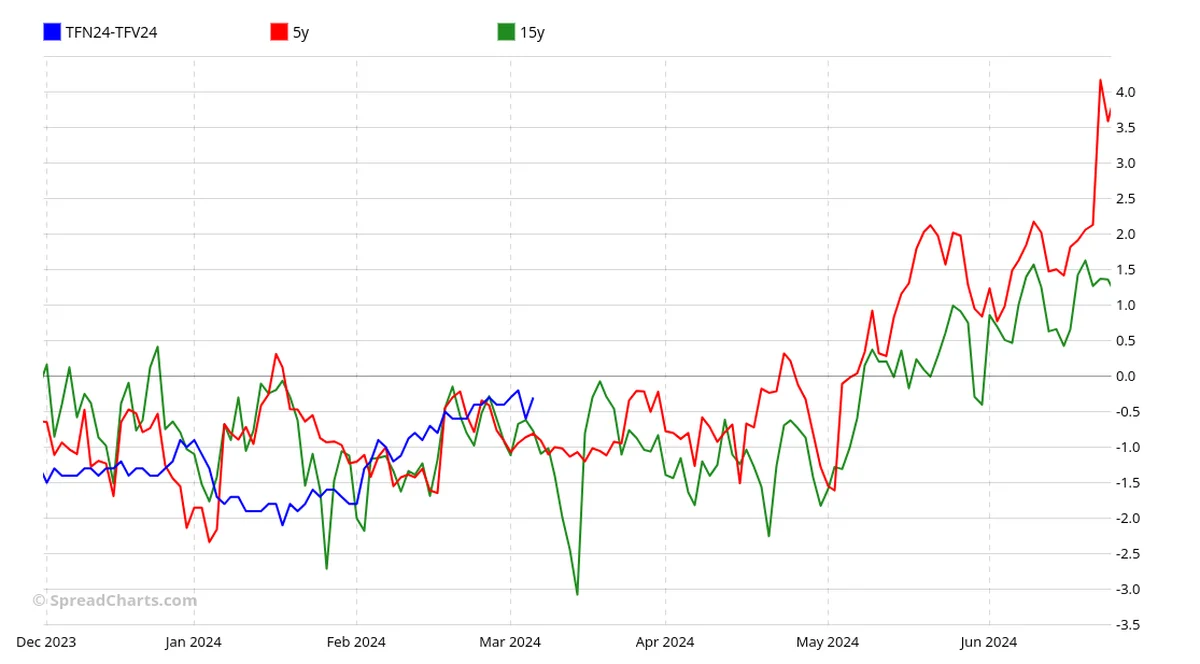
The contract size is actually manageable
This is where rubber gets interesting for retail traders like us. Futures were designed decades ago for big institutional players, and historically the contract sizes reflected that. One contract could mean a massive dollar exposure.
SGX Rubber breaks that mold. The contract size is just 5 metric tonnes, and each point move equals $50. To put that in perspective: during a recent multi-month trading range, the total swing worked out to only about $500 in contract value. Compare that to some US futures where comparable moves meant several thousand dollars.
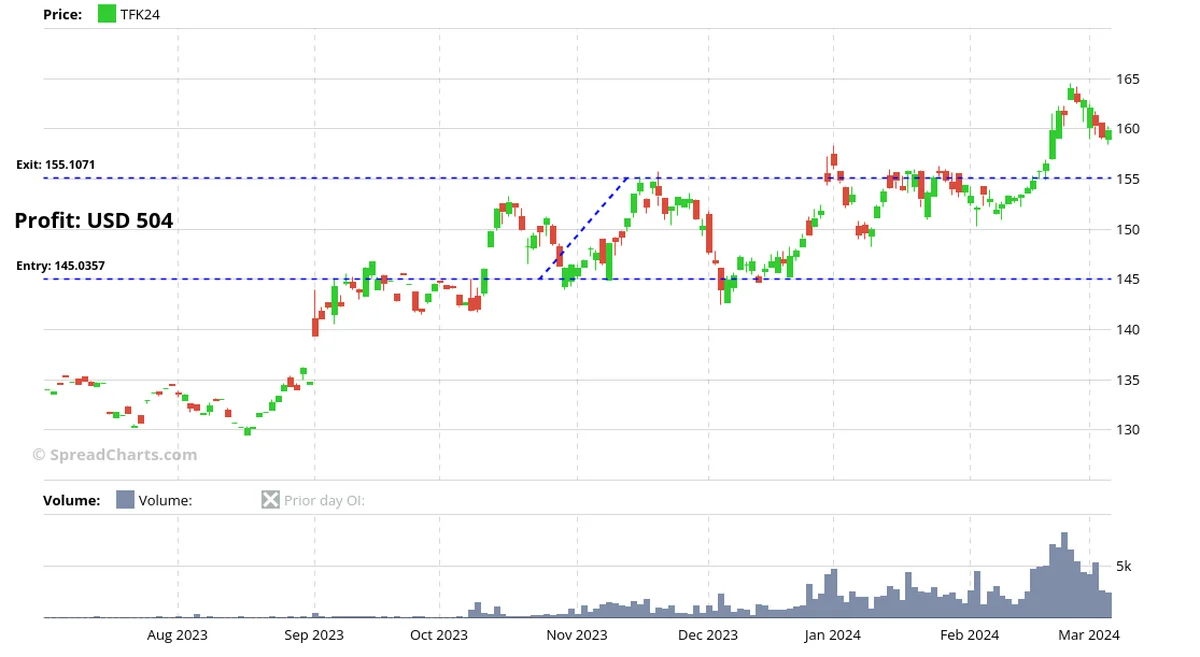
A smaller contract means you can manage risk properly without setting absurdly tight stop losses. And it lets you trade multiple contracts, which is how you actually do money management right.
Take that interdelivery spread I mentioned earlier — the price change over two months was worth just $80. For context:
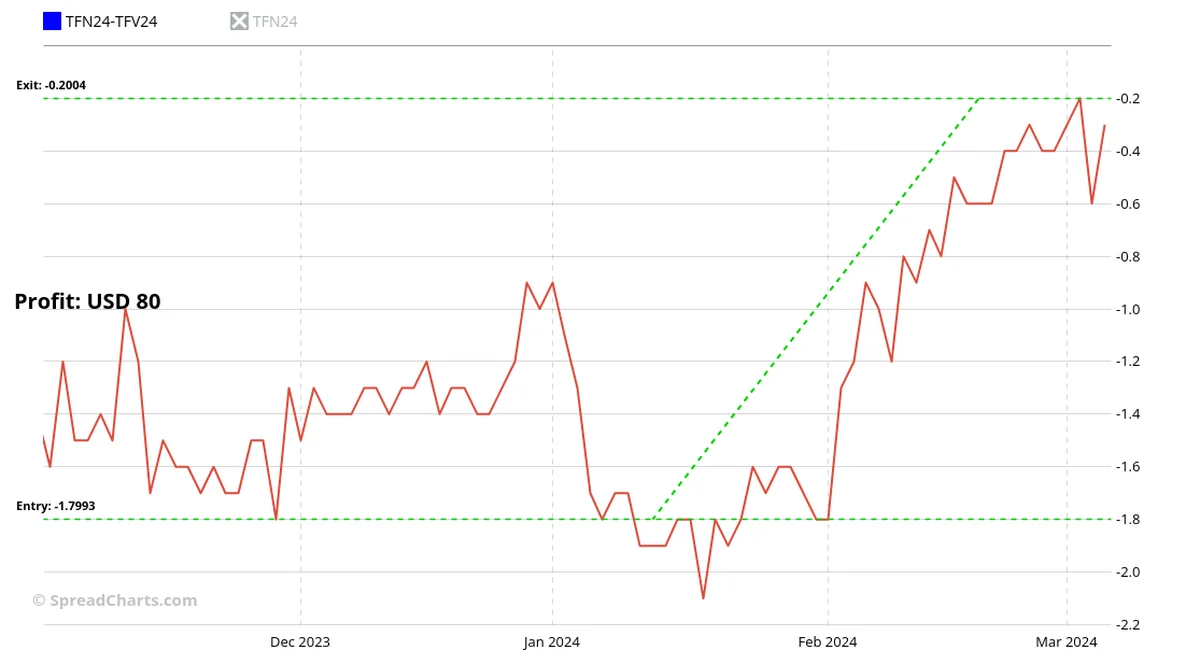
It’s priced in US Dollars
Even though SGX is a Singapore exchange, these Rubber futures are denominated in USD. That eliminates currency risk for American investors and makes margin calculations straightforward.
If you’re trading from outside the US too, converting to dollars is usually simpler than converting to Singapore dollars. One less thing to track.
The full contract specs
Here’s what the numbers look like for both contracts:
SGX SICOM TSR20 Rubber (ticker: TF)
Exchange: SGX | Currency: USD | Contract size: 5 metric tonnes | Point value: $50 | Tick size/value: 0.1 / $5 | Settlement: Physical | Expiration months: F, G, H, J, K, M, N, Q, U, V, X, Z
SGX SICOM RSS3 Rubber (ticker: RT)
Exchange: SGX | Currency: USD | Contract size: 5 metric tonnes | Point value: $50 | Tick size/value: 0.1 / $5 | Settlement: Physical | Expiration months: F, G, H, J, K, M, N, Q, U, V, X, Z
I used to think commodity futures were out of reach for someone who balances checkbooks at the kitchen table. Rubber on SGX proved me wrong. The small size and dollar denomination make it something you can actually test without putting your whole portfolio on the line.
Try this: look up the current TSR20 price today, figure out what a one-point move costs you ($50), and decide if that fits your risk comfort zone. That’s all you need to start.